Heat pumps are quickly becoming one of the most talked-about solutions for low-carbon home heating. If you're wondering what they are, how they work, or whether one would suit your home, you're not alone.
Below, we explain how they work in plain English. No jargon. No fuss. Just the facts you need.
What Is a Heat Pump?
A heat pump is a heating system that works by moving heat rather than making it. It might sound a bit odd at first, but it's the same process your fridge uses to keep things cold. Just in reverse.
Rather than burning gas or oil to create warmth, a heat pump extracts existing heat from the air (or ground) outside your home, even when it feels freezing to you. It then boosts that heat and sends it into your home.
Air Source vs Ground Source
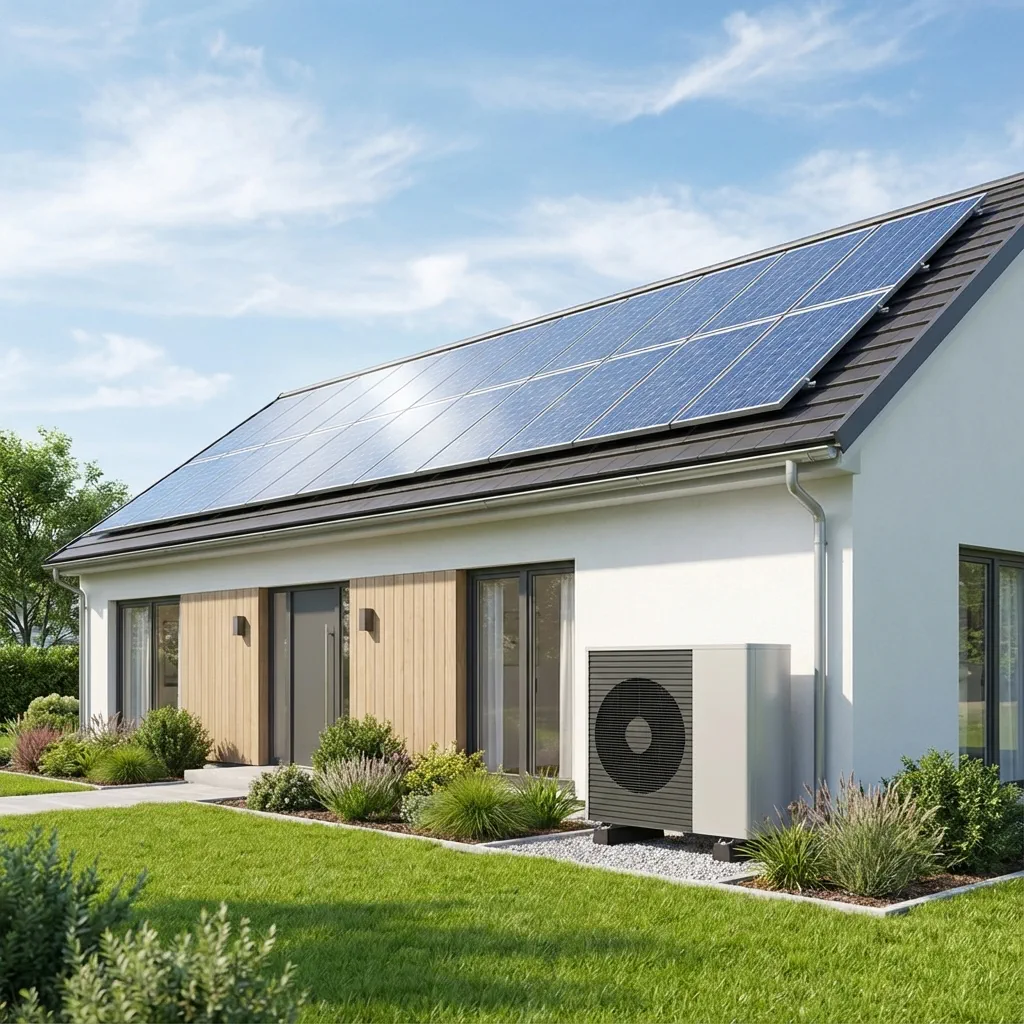
Most UK homes are suited to air source heat pumps. These units sit outside your home and pull heat from the air. Ground source heat pumps, which extract heat from the earth, are more efficient but cost more to install.
How Does an Air Source Heat Pump Work?
Let's break it into steps:
- Heat absorption – The pump draws in outside air. A special liquid inside the unit (called a refrigerant) absorbs the heat, even if the air is cold.
- Compression – The refrigerant is then compressed, which increases its temperature.
- Heat exchange – The hot refrigerant flows through a heat exchanger, releasing its heat into your central heating system.
- Cycle repeats – The refrigerant cools, turns back to liquid, and starts the process again.
This method is highly efficient because it takes energy that already exists in the environment and uses a small amount of electricity to move it around.
Why Are Heat Pumps More Efficient?
The key difference with heat pumps is efficiency. A typical air source heat pump can generate three to four units of heat for every unit of electricity it uses.
Compare that to a modern gas boiler, which is around 90% efficient. That means for every 1 unit of gas energy you use, you get 0.9 units of heat. With a heat pump, you're getting far more back than you put in.
Lower Running Costs
Although electricity is more expensive than gas per unit, the high efficiency of heat pumps means your overall energy use could drop significantly. This could lead to lower bills, especially as gas prices rise or fluctuate.
Are Heat Pumps Suitable for UK Homes?
In most cases, yes. But some homes will need adjustments first.
Things to consider:
- Insulation: Heat pumps work best in well-insulated homes. Loft and cavity wall insulation can make a big difference.
- Radiators: You might need larger radiators or underfloor heating. Heat pumps run at lower temperatures than boilers.
- Space for unit: You'll need outdoor space for the pump itself, ideally close to your home.
Government support like the Boiler Upgrade Scheme in England and Wales (offering up to £7,500 off installation costs) is helping more people make the switch.
Environmental Benefits
Heat pumps are an important part of the UK's drive to reach net zero emissions by 2050. Replacing gas boilers with electric heat pumps significantly reduces the carbon footprint of home heating.
According to the UK government's Climate Change Committee, switching to heat pumps could cut home heating emissions by up to 70% when paired with a low-carbon electricity grid.
They also produce no emissions at the point of use, unlike boilers that release carbon dioxide directly into the air.
Costs: What to Expect
Installation Costs
- Air source heat pumps typically cost £7,000–£12,000, depending on your home's size and heating needs.
- Ground source systems start around £15,000 but can be more efficient in the long run.
Running Costs
- Annual running costs vary but are often similar to or lower than gas heating over time.
- Rising gas prices and green electricity tariffs can tip the balance in favour of heat pumps.
Government Support
- The Boiler Upgrade Scheme offers a grant of up to £7,500 towards the cost of installing a heat pump.
- Scotland has similar support through Home Energy Scotland.
Do Heat Pumps Work in Cold Weather?
Yes, they do. Modern air source heat pumps are designed to work in temperatures as low as -15°C.
They may work slightly less efficiently in very cold weather, but you'll still get reliable heating.
In fact, countries like Norway, Sweden and Canada use heat pumps widely in homes despite long, cold winters.
Maintenance and Lifespan
Heat pumps need less maintenance than gas boilers. An annual service and occasional filter cleaning is usually enough.
Lifespan
A typical heat pump lasts 15 to 20 years, compared to 10 to 15 for a gas boiler. That makes them a solid long-term investment.
FAQ: Heat Pumps Explained
Do heat pumps provide hot water as well as heating?
Yes, most systems can heat both your home and your water. Some systems use a hot water cylinder.
Can I keep my radiators?
Often, yes. But you might need to upgrade to larger ones so they work efficiently with lower flow temperatures.
Is planning permission needed?
Usually no, if the unit meets size and noise limits. But check with your local council if you're unsure.
Are they noisy?
Not particularly. The outdoor unit makes a gentle hum, about the same as a fridge. It should be placed away from windows if possible.
Can I run a heat pump off solar panels?
Yes. Combining solar PV with a heat pump can reduce your energy bills even further and lower your carbon footprint.
Summary
Heat pumps offer a clean, efficient way to heat your home while cutting carbon and, over time, costs. They work well in UK weather, and with the right setup, can suit many property types.
With government grants and growing support, they're quickly becoming the future of home heating.
Want to see if a heat pump is right for your home? Get your free Green Home Report for a personalised assessment based on your property.
Ready to save on your energy bills?
Use our free calculator to see how much you could save with solar panels, battery storage, or a heat pump.
Get Your Free Report