Struggling to keep up with rising energy bills? You're not alone. Many homes across the UK are facing the same challenge. That's where the Warm Homes Plan comes in. This guide breaks down who's eligible, what support is on offer, and how you can get help to make your home warmer and cheaper to run.
What is the Warm Homes Plan?
The Warm Homes Plan is a government-backed scheme aiming to make homes across the UK warmer, greener, and more affordable. Backed by £15 billion in public funding, the plan hopes to upgrade 5 million homes by 2030.
Whether you own your home, rent privately, or live in social housing, there's something here for you. The support ranges from fully funded upgrades to low-interest loans, depending on your circumstances.
Who Can Get Help?
1. Homeowners
If you own your home, you might be able to:
- Get a grant to replace your old boiler with a heat pump
- Apply for a low- or no-interest loan for things like solar panels or home insulation
- Save more money through flexible electricity tariffs
You'll usually need to:
- Own a home in England or Wales
- Replace a gas boiler or another traditional heating system
- Have decent insulation already in place (in most cases)
2. Low-Income and Struggling Households
If heating your home is becoming too expensive, there's extra help available:
- Around £5 billion is set aside for people on lower incomes
- Grants can cover things like insulation and heating upgrades
- These are offered through your local council
You might qualify if:
- Your home has a low EPC (energy rating)
- You get benefits like Universal Credit or Pension Credit
- Your local council has a scheme running in your area
Over 2.7 million UK households are in fuel poverty right now. That's nearly one in five renters.
3. Private Renters
Living in a rented home with poor insulation or draughts? The Warm Homes Plan is pushing landlords to act.
- New rules mean landlords must improve energy efficiency by 2030
- Upgrades are the landlord's responsibility, not yours
- You'll benefit from warmer rooms and smaller bills
If your home isn't being upgraded, you can raise it with your local council.
4. Social Housing Tenants
If you live in a council or housing association home:
- Your housing provider will manage upgrades
- Upgrades may happen area-by-area
- Expect better insulation, heating systems, and less damp
You don't need to apply. Your housing association will contact you.
5. New-Build Buyers
Buying a home after 2026? The rules are changing:
- All new homes will need to meet the Future Homes Standard
- That means clean heating systems, solar panels (in many cases), and top-notch insulation will be included as standard
What Kind of Upgrades Are Available?
Depending on your home and situation, you could get help with:
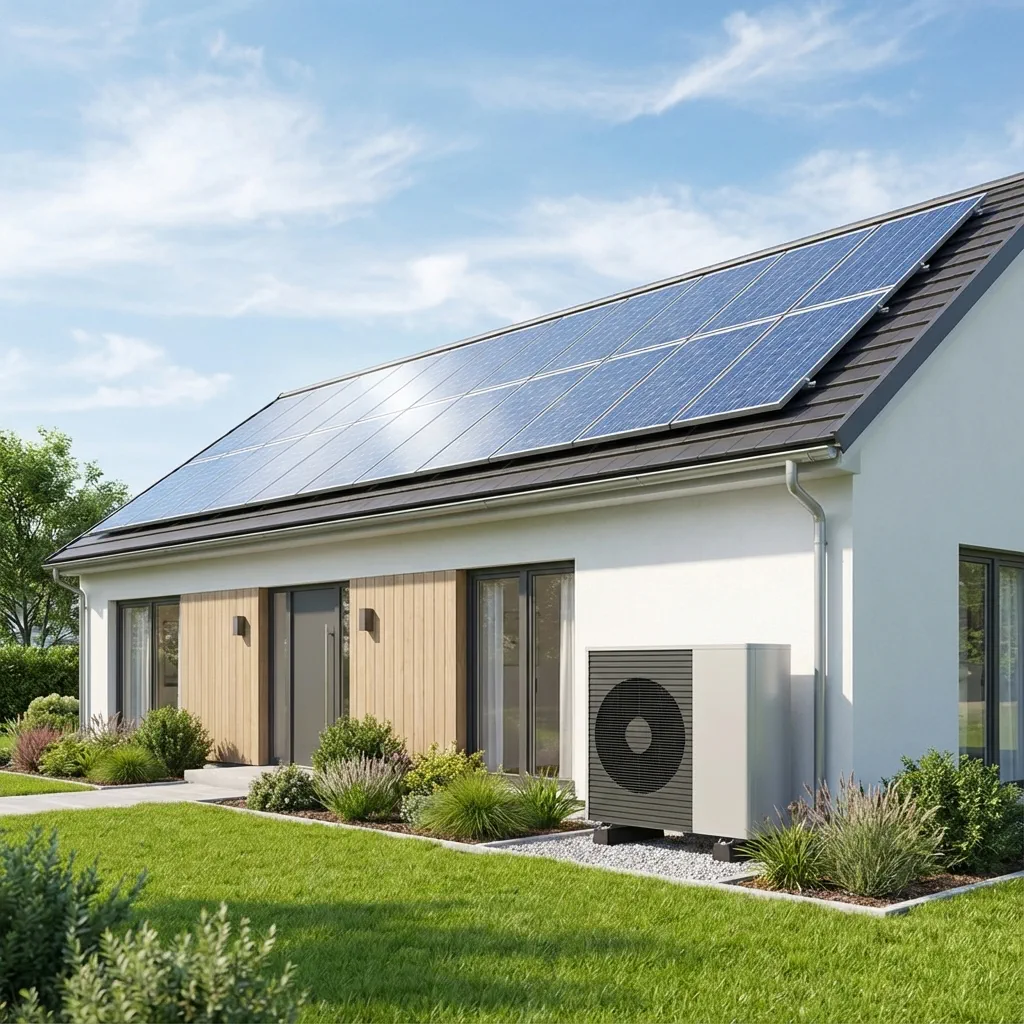
- Heat pumps (air source or ground source)
- Solar panels and battery storage
- Insulation (loft, cavity wall, underfloor)
- Double glazing
- Better ventilation
- Smart meters and flexible energy tariffs
Heat pumps are more than three times as efficient as traditional boilers, so they could make a big difference.
How Do I Apply?
It depends on your situation:
If You Own Your Home
You can apply through:
- The Boiler Upgrade Scheme for grants
- Approved lenders for loans through the Warm Homes Fund
If You're on a Low Income
- Contact your local council to check what schemes are running
- Some councils may have their own grant programmes with different names
If You Live in Social Housing
You don't need to apply. Your landlord or housing association will organise the work.
If You Rent Privately
- Speak to your landlord about the new legal standards
- If they won't act, report the issue to your local council
Why It Matters
Energy bills are still high. Even after recent government support, many households are paying far more than they were a few years ago.
The Warm Homes Plan isn't just about saving money. It's about improving health, comfort, and energy security.
- The government expects it to save families hundreds each year
- Cold homes cause illness. The NHS spends nearly £900 million a year treating issues linked to damp and low temperatures
"Everyone should have a warm, energy-efficient home they can afford to heat," says Ellie Harding, a housing policy specialist at Citizens Energy UK. "This plan helps make that a reality."
FAQs
What counts as low income?
It varies, but generally means you're receiving benefits like Universal Credit, Pension Credit, or Housing Benefit.
Can I get help if I already have solar panels?
Yes. You may still qualify for upgrades like battery storage or better insulation.
Do I have to pay the money back?
Grants are free. Loans must be repaid, but they come with low or zero interest depending on your circumstances.
When do the rules change for landlords?
By 2030, all private landlords must meet minimum energy standards. That means warmer homes for tenants.
Where can I check my eligibility?
Start with gov.uk or get in touch with your local council.
Take the Next Step
Want to see what upgrades could work for your home? Get a free Green Home Report to find out what's possible, what grants you might qualify for, and how much you could save.
Ready to save on your energy bills?
Use our free calculator to see how much you could save with solar panels, battery storage, or a heat pump.
Get Your Free Report