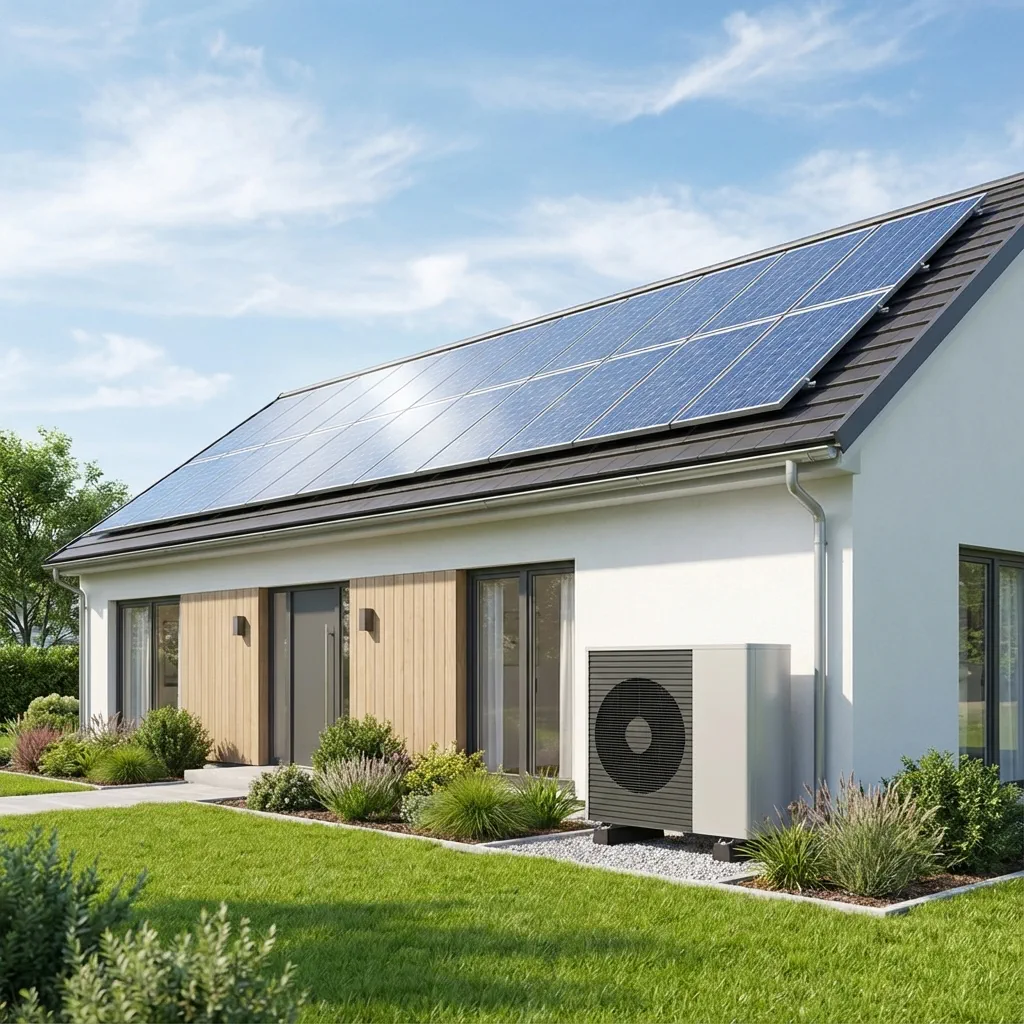
As energy prices continue to rise, more UK households are turning to renewable energy to cut costs and reduce their carbon footprint. From solar panels to heat pumps, there's growing support to help make these changes more affordable, especially for those on lower incomes.
Government grants play a key role. But who qualifies? What schemes are available? And how do you apply? This guide explains what you need to know.
Who Can Get Help With the Cost?
Several government-backed schemes offer financial support, but they're not open to everyone. Most are designed to help households with lower incomes or those receiving certain benefits. The main factors that affect eligibility include:
- Your household income
- Whether you receive means-tested benefits (like Universal Credit)
- Your home's energy efficiency rating (typically EPC band D to G)
- Whether you're a homeowner or tenant (with landlord permission)
These schemes focus on helping those who'll benefit the most, both financially and environmentally.
Main Schemes Available in 2025
Energy Company Obligation (ECO4)
ECO4 runs until March 2026 and offers up to £25,000 per household. It covers upgrades like:
- Solar PV panels (grants between £5,000–£8,000)
- Heat pumps
- Insulation and energy-efficient doors/windows
ECO4 is aimed at people on low incomes or benefits. You don't need to be a homeowner. Private renters may qualify with landlord consent. You apply via approved energy suppliers.
Home Upgrade Grant (HUG2)
HUG2 is managed by local councils and offers grants of up to £18,000. It supports:
- Solar panel installation
- Heat pump systems
- Insulation and other home energy upgrades
It's aimed at properties with an EPC rating of D to G, and the household must be off the gas grid or have inefficient heating. Around 1,600 homes are expected to benefit by the end of 2024.
Boiler Upgrade Scheme (BUS)
BUS offers grants of up to £7,500 for homeowners switching from gas or oil heating to:
- Air-source heat pumps
- Ground-source heat pumps
- (New in 2025) Air-to-air heat pumps and heat batteries, up to £2,500
Unlike ECO4, BUS isn't means-tested, so more homeowners can apply. However, it doesn't cover solar panels. You must apply through an Ofgem-approved installer.
Extra Incentives That Make a Difference
Smart Export Guarantee (SEG)
If you install solar panels, you can earn money back by exporting surplus electricity to the grid. Energy suppliers are required to pay you for what you send back. Rates vary, so it's worth shopping around.
0% VAT on Solar Panels
Until April 2027, solar panel installations are VAT-free. That's an extra saving on top of any grant support.
How to Check If You're Eligible
Start by checking your EPC rating. You can do this for free at GOV.UK.
If your home is in the D to G band and you're on a lower income or receive benefits, there's a good chance you'll qualify for support.
To get started:
- ECO4: Contact energy suppliers like British Gas or EDF, or use an eligibility checker from companies such as Altum or Sunsave.
- HUG2: Contact your local council's energy or housing department.
- BUS: Use an installer approved by Ofgem to apply.
You may need to provide evidence of income, benefits, or your EPC rating.
Common Barriers and What to Do About Them
Not every home is eligible. Some of the most common reasons for rejection include:
- A property already having an efficient heating system
- An EPC rating that's too high
- Not being on a qualifying benefit
If you don't qualify, you still have options:
- Community group-buying schemes, such as Solar Together, can reduce costs by pooling demand
- Interest-free finance or green loans from some banks and councils
- Energy efficiency advice services that can help you plan phased upgrades
What's Changing in 2025?
Funding has shifted in recent years. Here are the key updates:
- More generous BUS grants: £7,500 now available for heat pumps, and smaller grants introduced for air-to-air heat systems.
- Less universal solar panel funding: Grants are now focused on households in fuel poverty or with poor EPC ratings.
- Higher demand for installers: As interest rises, wait times for qualified tradespeople have increased. Book early where possible.
Funding windows can also be limited. Some councils open applications in rounds, so keep an eye on local announcements.
Stay Ahead: Tips for Getting the Most Out of These Schemes
- Act early, as demand is high and funds can run out
- Get multiple quotes from certified installers
- Check both national and local council schemes
- Use any available assessment tools to confirm your home's suitability
About The Green Home Report
We help you understand your home's energy potential with a free, instant report. Using satellite data and AI, we analyse:
- Your roof's solar potential
- Whether your home suits a heat pump
- Your insulation and energy-saving options
You'll get clear estimates on costs, savings, and feasibility, without any surveys or sales calls. It's the fastest way to see what renewable energy can do for your home. Try it now.
FAQs
How do I know if I qualify for solar panel grants?
Check your income, benefits, and EPC rating. Most grants are aimed at lower-income households or those in less efficient homes.
Can I get both solar panels and a heat pump installed?
Yes. If you qualify, some schemes (like ECO4 or HUG2) cover both technologies.
What if I rent my home?
You can apply for ECO4 or HUG2, but you'll need your landlord's permission.
How long do these grants last?
Some schemes, like ECO4, run until 2026. Others vary by region or council. It's best to act quickly.
Do I need to pay anything upfront?
In many cases, no. Grants can cover up to 100% of costs. But always confirm with your installer or council.
Ready to save on your energy bills?
Use our free calculator to see how much you could save with solar panels, battery storage, or a heat pump.
Get Your Free Report