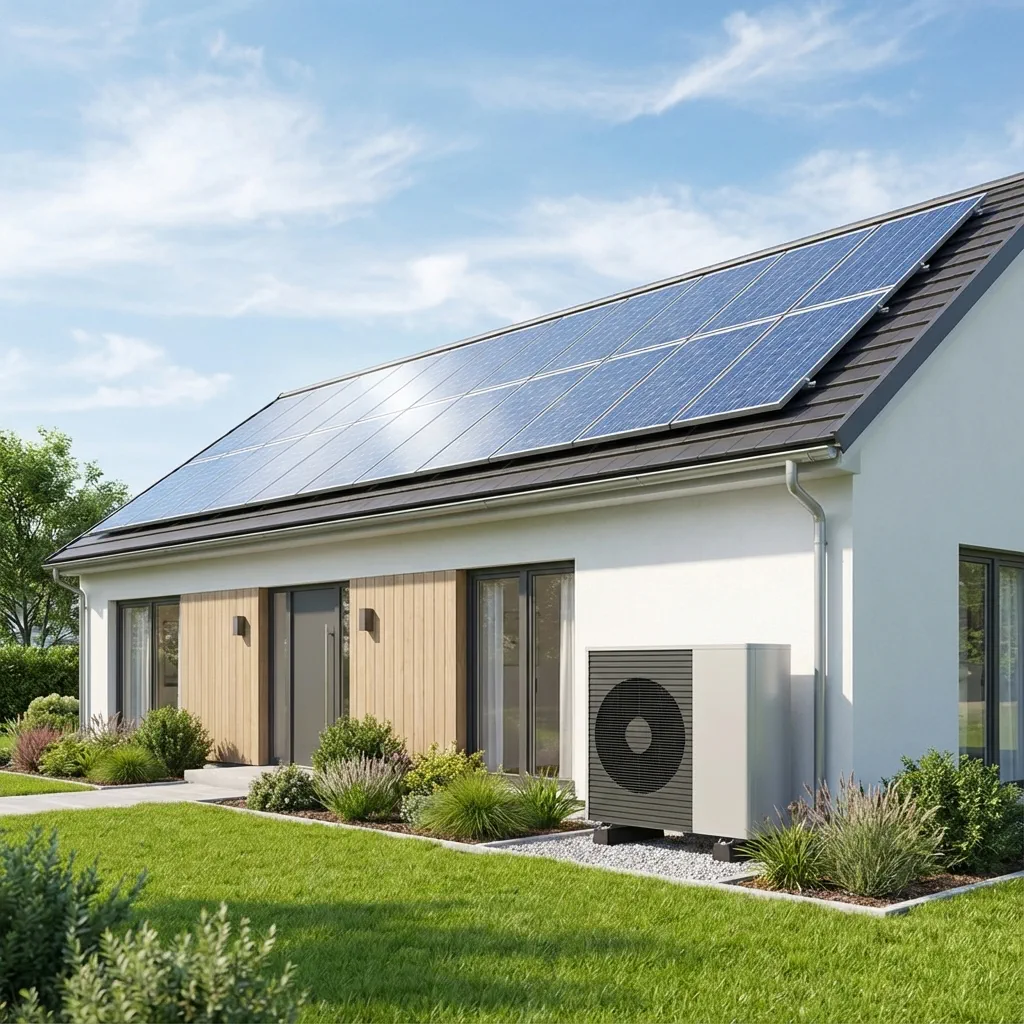
In the UK property market of 2026, energy efficiency isn't just about saving money-it's about adding value. Solar panels and smart home energy technologies are increasingly viewed as valuable assets that can substantially boost your property's worth and appeal to buyers.
Solar Panels and Property Value: The Numbers
The Property Premium
Multiple recent UK studies show that solar panels can add between 2% and 7% to a home's value on average. In some cases-particularly for new builds or highly efficient homes that achieve near-zero energy bills-the increase can reach up to 14%.
For a typical UK home valued at £300,000, this translates to:
- Conservative estimate (2-3%): £6,000-£9,000 added value
- Moderate estimate (4-5%): £12,000-£15,000 added value
- Optimistic estimate (6-7%): £18,000-£21,000 added value
The actual increase depends on several factors including location, property type, system age, and local market conditions.
Buyer Attitudes
Consumer research shows that 69% of UK buyers say they'd be more likely to purchase a home with solar panels installed. This preference is driven by:
- Concerns about rising energy costs
- Growing environmental consciousness
- Desire for energy independence
- Government policies pushing energy efficiency
The Smart Home Technology Multiplier
Beyond Solar: The Integrated Approach
While solar panels alone add value, combining them with other smart home energy technologies creates a compounding effect. An integrated system might include:
- Solar panels: Generate clean electricity
- Battery storage: Store excess energy for use during peak times or power cuts
- Smart heating systems: Optimise heating based on occupancy and energy prices
- Energy management systems: Automatically control when appliances run
- Smart thermostats: Learn your preferences and maximise efficiency
- EV charging points: Ready for the electric vehicle revolution
A 2026 survey reported average house price uplifts of up to 16% for the highest-specification, energy-independent new builds that combine all these technologies.
The "Solar-Plus-Battery" Premium
Battery storage has emerged as particularly attractive to buyers in 2026. Homes with solar panels and battery storage:
- Can store energy for use during evening peak times when grid electricity is expensive
- Provide backup power during outages
- Enable true "energy independence" by dramatically reducing grid reliance
- Increase self-consumption from 30-50% to 70% or more
Properties marketed as having solar-plus-battery systems can command a 4-14% premium and sell up to 15% faster than comparable homes without these features.
Key Factors Affecting Value Increase
System Age and Condition
New, warranted solar systems with full documentation command higher premiums. Buyers want to know:
- When the system was installed
- What warranty remains
- Maintenance history
- Expected lifespan
- Performance data
Systems installed within the last 3-5 years are viewed most favorably, as buyers know they'll benefit from decades of remaining operational life.
Professional Installation and Aesthetics
Installation quality matters. Features that enhance value include:
- Professional installation: MCS-certified installers and proper documentation
- Aesthetic panels: Flush-mounted, sleek black panels rather than bulky older models
- Tidy wiring: Clean, professional electrical work
- Minimal visual impact: Thoughtful placement that doesn't dominate the roofline
Energy Performance Certificate (EPC) Rating
Solar panels and energy efficiency improvements directly impact your EPC rating, which significantly affects property value:
- Raising your EPC by one band (e.g., from D to C) can add 1-3% to property value
- Homes with EPC ratings of A or B command substantial premiums
- From 2028, rental properties will require minimum EPC ratings of C, making improvements increasingly valuable
Location and Local Market
The value increase varies by region:
- High-value urban areas: Buyers in expensive markets more readily pay premiums for energy-efficient features
- High energy cost regions: Areas with expensive electricity see stronger demand for solar
- Environmentally conscious communities: Some areas have particularly strong green technology adoption
The Complete Energy Independence Package
What Appeals Most to Buyers
Homes marketed as "energy independent" or achieving "near-zero energy bills" see the highest premiums. This typically requires:
- Appropriately sized solar panel system (4-6 kW for average homes)
- Battery storage (5-10 kWh capacity)
- Excellent insulation (loft, wall, and floor)
- Efficient heating (heat pump or modern boiler)
- Double or triple glazing
- Smart controls and monitoring
The Running Cost Advantage
Beyond the purchase price premium, buyers increasingly factor in running costs. A home with comprehensive energy efficiency measures might have:
- Traditional home: £2,000+ annual energy bills
- Solar-equipped home: £800-£1,200 annual energy bills
- Solar-plus-battery home: £400-£600 annual energy bills
- Energy-independent home: Near-zero annual energy bills
This £1,500-£2,000 annual saving is equivalent to a buyer being able to afford a higher mortgage, directly translating to higher acceptable purchase prices.
Additional Market Advantages
Faster Sales
Beyond higher prices, energy-efficient homes with solar sell faster:
- 15% faster sales reported for solar-plus-battery homes
- Stronger interest during viewings
- More competitive offers
- Better chance of chains not breaking due to buyer enthusiasm
Future-Proofing Appeal
Buyers are increasingly concerned about future regulations and costs:
- Rising minimum EPC requirements for properties
- Potential carbon taxes or energy levies
- Expected continued increases in grid electricity prices
- Ban on new gas boilers in new builds from 2025
- Electric vehicle adoption requiring home charging
Homes already equipped with renewable energy technology and efficient systems are seen as "ready for the future."
The Smart Export Guarantee (SEG) Transfer
An often-overlooked benefit for buyers is the SEG payment stream. When you sell a property with solar panels:
- The SEG arrangement can transfer to the new owner
- Buyers inherit the income from exporting surplus energy
- This creates an ongoing revenue stream (typically £100-£300 annually)
Marketing materials highlighting SEG earnings potential can significantly boost buyer interest.
Does the Value Increase Cover Installation Costs?
The Short-Term View
If you're planning to sell immediately after installation, the property value increase may not fully cover the installation cost. For example:
- 4 kW solar system cost: £7,000-£8,500
- Property value increase (4%): £12,000 on a £300,000 home
In this scenario, you'd see a net gain-but the true value comes from living in the home and enjoying the energy savings.
The Long-Term Perspective
For most homeowners, the financial case is built on:
- Energy bill savings: £800-£1,200 per year
- SEG export income: £100-£300 per year
- Property value increase: Realized when you eventually sell
Over a typical 10-year ownership period before selling, you'd receive:
- £8,000-£12,000 in energy savings
- £1,000-£3,000 in SEG income
- £12,000 property value increase
- Total benefit: £21,000-£27,000 on an £8,000 investment
Making Solar Work for Your Property Value
Document Everything
To maximise value when selling:
- Keep all installation certificates and warranties
- Maintain records of performance data
- Document maintenance and cleaning schedules
- Compile utility bills showing savings
- Gather SEG payment statements
Highlight Benefits in Marketing
When selling, ensure estate agents emphasise:
- Annual energy cost savings
- EPC rating improvements
- SEG income potential
- Environmental benefits
- System specifications and warranty
- Smart home integration features
The Bottom Line
In 2026, solar panels and smart home energy technology represent a win-win investment for UK homeowners:
- Immediate benefits: Lower energy bills from day one
- Ongoing income: SEG payments for exported energy
- Long-term value: Substantial property price premium when selling
- Future-proofing: Ready for upcoming regulations and market changes
- Environmental impact: Reduced carbon footprint
With buyer attitudes shifting strongly toward energy-efficient homes, installing solar and smart home technology isn't just about saving on bills-it's about making a smart investment in your property's future value and marketability.
Ready to discover your property's potential? Get a free, personalised solar assessment and see how much value you could add to your home.
Ready to save on your energy bills?
Use our free calculator to see how much you could save with solar panels, battery storage, or a heat pump.
Get Your Free Report