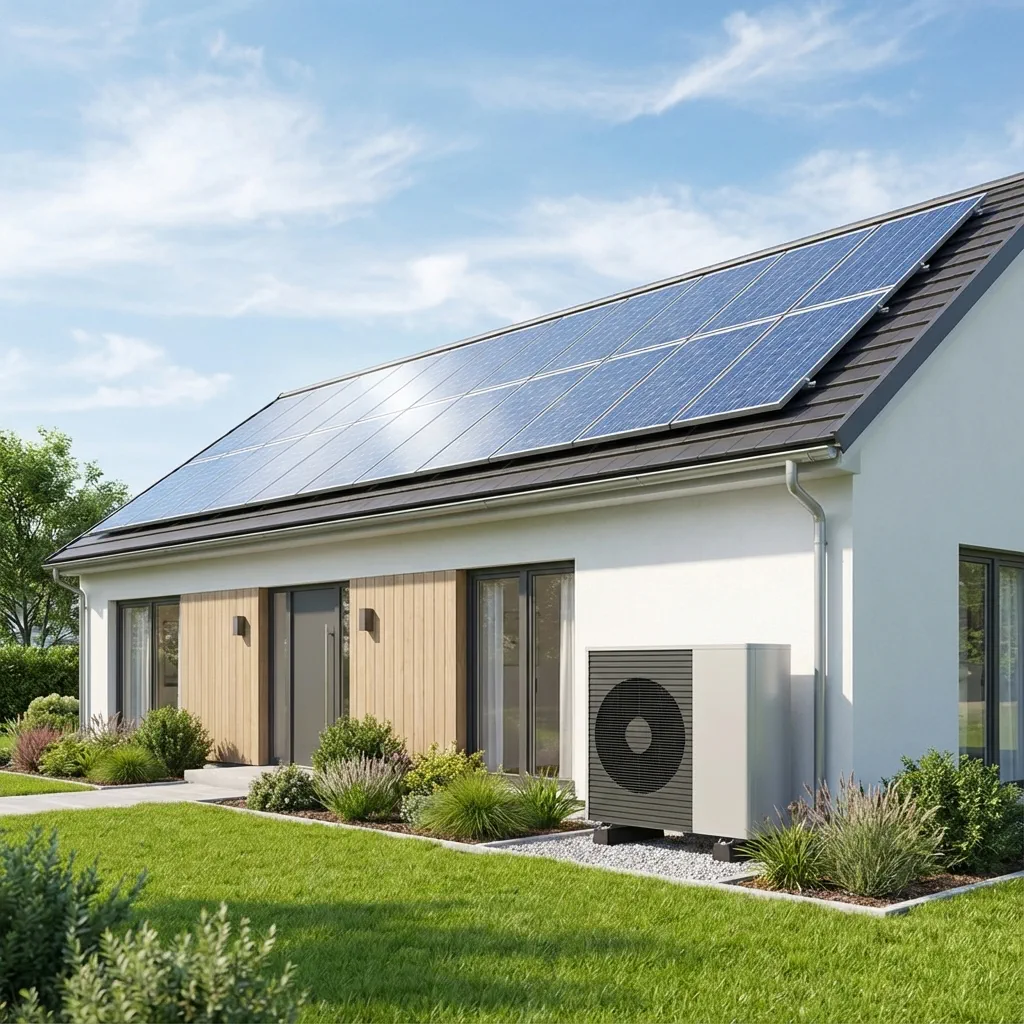
Solar panels are no longer just an eco-friendly extra: they're fast becoming one of the smartest financial upgrades a homeowner can make. With energy bills still high, EPC requirements tightening, and buyers increasingly looking for greener homes, solar is turning into a long-term investment that delivers on multiple fronts.
But what does the financial picture actually look like in the UK? What incentives are available? Does solar really increase the value of your property? And how long does it take for panels to pay for themselves?
1. The Financial Boost: UK Incentives That Make Solar More Affordable
The UK doesn't have a big 30% federal tax credit like the US, but it does have several incentives that make installations much cheaper than most people expect.
0% VAT on Solar (2022–2027)
Right now, homeowners pay zero VAT on the installation of solar panels: a huge saving compared to the previous 5% rate.
For a standard system that costs £4,000–£8,000, that's typically hundreds of pounds saved instantly, simply because the government temporarily removed VAT as part of its energy-saving push.
Smart Export Guarantee (SEG)
The SEG pays you for the extra electricity your panels generate and send back to the grid.
Rates vary depending on supplier: from around 1p per kWh at the low end, all the way up to 15–40p/kWh in the most generous tariffs. The average sits around 8–9p/kWh, which means many households earn hundreds of pounds a year just from surplus energy.
No Increase to Council Tax or Property Tax
Solar panels won't raise your council tax, no matter how much value they add to your home.
Commercial buildings also pay no extra business rates for installing solar or batteries, saving UK businesses more than £200 million over five years.
For homeowners, it simply means that any financial uplift stays in your pocket.
Savings on Electricity Bills
And of course, the biggest benefit:
You use your own free electricity instead of buying expensive power from the grid.
With UK electricity prices sitting around 25–30p/kWh, this adds up quickly: often hundreds of pounds saved every year.
In short: With VAT removed, guaranteed export payments, no tax penalties, and high bill savings, solar is financially stronger than ever for UK households.
2. Do Solar Panels Add Value to UK Homes? Absolutely, and Often More Than You'd Expect
Solar panels have become a major selling point in the UK property market, and not just for eco-minded buyers. With running costs rising, the financial appeal is obvious, and that's reflected directly in sale prices.
Higher Sale Prices
The numbers speak for themselves:
- Solar Energy UK suggests a typical uplift of 0.9%–2%.
- A 2024 Swansea University study (1.5 million home sales) found homes with solar sold for 6.1%–7.1% more.
- On a £300,000 property, that's an extra £18,000.
- Some earlier studies found even higher premiums, though those represent top-end scenarios.
Even at the conservative end, the value boost is significant.
Stronger EPC Ratings = Higher Sale Prices
Solar panels can raise your EPC score, which matters more than ever:
- Rightmove data shows that moving from EPC D to C increases sale price by about 3% (~£11k).
- Bigger jumps, like F → C, can add around 15% to a home's value.
A higher EPC rating is becoming a "green badge" that buyers actively seek out.
Homes With Solar Sell Faster
Estate agents often note that homes with solar panels:
- Attract more enquiries
- Stand out in search filters
- Sell faster
International studies report 20% quicker sales for solar homes, and while UK-specific numbers vary, demand patterns strongly suggest the same trend here.
Ownership Matters
Owned systems add value.
Leased systems? Not so much.
If you own your panels outright, the value uplift is yours. But leased or "free solar" schemes can raise questions for buyers and even slow down a sale: something worth keeping in mind.
3. Is Solar Worth It Financially? Understanding Solar ROI in Real UK Terms
Most homeowners want to know one thing: Does solar pay for itself?
In the UK, the answer is almost always yes, and often sooner than people expect.
Upfront Costs and Typical Payback
A standard 3–4 kW home solar system today costs around:
- £4,000–£6,000 for average homes
- £8,000–£10,000 for larger 6 kW+ setups
With 0% VAT and competitive installer pricing, these costs have become far more accessible.
The average payback period? 10 to 15 years, depending on:
- Your location
- How much electricity you use during the day
- Your export tariff
- Shading and roof orientation
The Energy Saving Trust suggests paybacks between 9 and 17 years. Real installations at 2023 energy prices have hit around 10 years on typical UK homes.
Why Self-Consumption Is Key
Every kWh of solar you use yourself saves you around 28p.
Every kWh you export earns around 8–9p.
So the more power you use during daylight hours, the faster your system pays for itself.
Post-Payback = Pure Profit
Solar panels last 25 years or more.
So once you hit payback, nearly everything after that is free electricity and extra income.
For example:
- Saving £500/year over 25 years = £12,500 saved
- Installation cost = ~£6,000
- Net gain = ~£6,500 plus a boost to your home's value
And if electricity prices rise? Your savings increase too.
Home Value Uplift: The Hidden ROI Boost
If solar adds even 3–5% to your home's price (typical across several studies), the value uplift alone can exceed your installation cost.
Combine:
- Energy savings
- Export payments
- Home value increase
…and total ROI often reaches 200%–300%+ over a system's lifetime.
Final Thoughts: Solar Makes Sense, Financially, Practically, and Long-Term
For UK homeowners, solar is no longer just an environmental choice: it's a financial strategy.
With:
- ✔ 0% VAT
- ✔ Guaranteed export payments
- ✔ Lower energy bills
- ✔ Higher home value
- ✔ Faster selling times
- ✔ A strong lifetime ROI
…it's easy to see why solar adoption has continued to climb.
Every home is different, and the exact numbers will vary. But the overall trend is unmistakable: solar pays off in pounds and pence, not just in carbon savings.
If you're a homeowner thinking about the future of your finances, your energy independence, and your property's value, solar panels are one of the most reliable long-term decisions you can make.
Ready to save on your energy bills?
Use our free calculator to see how much you could save with solar panels, battery storage, or a heat pump.
Get Your Free Report