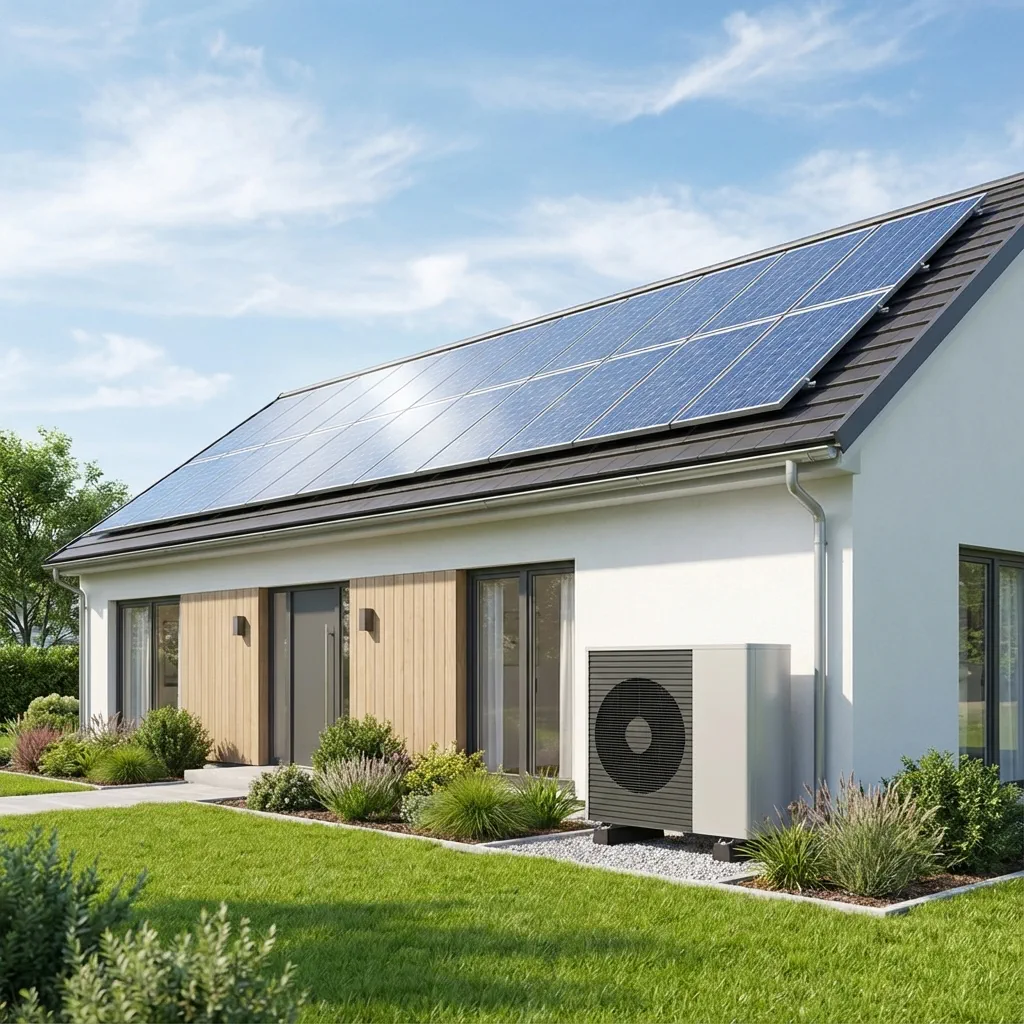
Energy bills are a fact of life for most UK households, and with the price of power not showing any signs of letting up, there’s a good deal of interest in how to wean yourself off the grid and get on board with some cleaner tech. Lately, you can’t miss the appeal of putting solar panels on your roof and an electric car in the driveway; it’s a match made in heaven for anyone looking to put some money back in their pocket over the long run. The question is, what kind of savings are we really talking about, and what should you have in mind before you part with your cash?
When Solar and EVs Make Sense
It’s a no-brainer: make your own power in the day and put it to work in your home and your car. Why pay your supplier’s going rate or make do with public chargers when you have free energy coming from above?
The way it works is straightforward. Your panels turn sunlight into direct current, an inverter makes it alternating current for your house, and if you have an electric car, you’ve got a system where the sun is doing the job of the petrol station.
Where You’ll See the Difference
A dent in the electricity bill
First and foremost, your monthly outgoings will come down. In the daytime, your panels are running the show for your appliances. What you don’t use can be put in a battery or sent back to the grid.
A 4kW system, which is about the norm for a house, will put out 3,500 to 4,000 kilowatt-hours a year or so, give or take where you are and which way your roof is pointing. That’s a big chunk of what a family uses. Of course, a south-facing, unshaded roof is ideal, but even an east or west one can be made to work.
No more fuel at the pump
This is where the numbers start to look good. The typical motorist in the UK does around 7,400 miles in a year. To put that many miles on an EV you’re looking at 1,800 to 2,200 kWh. If you can top up with solar, you’re not having to factor in the cost of petrol or diesel – and as we know, those prices like to jump about. Even with some help from the grid and an off-peak tariff, you’re still well ahead.
Making a little from the Smart Export Guarantee
There’s also the matter of the Smart Export Guarantee. It’s a government scheme that has the big suppliers put some money in your pocket for any renewable power you send to the grid. So if your panels are overproducing, you can put that to some use.
Rates are all over the place, so it’s worth looking for a good offer. Some are hard to beat. Most people find it best to use as much as they can and only export what’s left over on a very fine day.
Storing the Power
Solar is great, but a battery is what makes it sing. With one, you can put aside the surplus from the afternoon for the evening or night. This is handy for an EV, since a lot of us like to let the car charge while we’re in bed.
They aren’t what they used to be in terms of cost and efficiency. A standard home unit will hold 5 to 13 kWh, which is plenty to see you through the evening and put some oomph in your car. It means you’re not as dependent on the grid when the rates are high.
Things to Think About
Is your roof up to it?
You can’t put this plan in motion without first having a good look at your roof. You can’t put a solar system in any old spot and expect it to work. For the best results, you want a roof that faces south with a 30-40 degree pitch and not much in the way of shade from trees or other buildings. That said, solar tech has come on in leaps and bounds; even with an east or west-facing roof or some light shading, you can still get a good return.
A good installer will have a look at your property and give you an honest idea of what you can generate. We’d recommend getting a few quotes from MCS-certified pros to be sure of the quality and to make sure you’re in with a running of any government schemes.
Vehicle Charging
If you’re going to put an electric car in the garage, you need the right set-up to go with it. A home charge point with some smarts is the way to go – it lets you have a say in how and when the car is charged. You can tell a smart charger to run off your solar output, wait for off-peak times, or do a bit of both.
There used to be the Electric Vehicle Homecharge Scheme to help with the cost, but those rules have been tightened up over the last few years. Still, there are often local deals or offers from your energy provider, so it doesn’t hurt to see what’s on the table in your part of the country.
The Cost and What You Get Out of It
Let’s be straight: putting in panels and an EV is an outlay. You’re looking at anywhere from £5,000 to £8,000 for a standard home system, and if you want to add a battery, add a few thousand to that. An electric car will usually cost more than its petrol cousin, although as new models come out, the price difference is coming down.
How long it takes to recoup that money depends on how you live and drive. Most people we see find their panels have paid for themselves in under a decade thanks to lower bills and export credits, and you keep on saving after that. Toss in the fact you won’t be filling up at the pumps with an EV, and the numbers start to look very appealing.
More Than Just the Money
We’ve been talking about the bottom line, but there’s the matter of the environment. Between our cars and our homes, we in the UK are responsible for a fair share of carbon emissions. Making your own power and using it to run the house and the car is a direct way to put a dent in your footprint.
A car running on solar has no tailpipe emissions and next to nothing in the way of fuel-related ones over its life. It’s a small part of the solution for the country’s climate targets and shows you mean business when it comes to living sustainably.
Preparing for What’s Next
This is also a way of making your home fit for the future. With the government saying they’ll be done with new petrol and diesel sales by 2030, an EV is only going to be the norm. And as we head for net-zero, you can bet on grid electricity becoming pricier, which makes making your own all the more sensible.
Then there are things like vehicle-to-grid on the horizon, where your car could act as a home battery and even feed power back to the grid when it’s needed. If you put in a system now, you’ll be ready for when these things become mainstream.
So, Is It for You?
It’s a solid proposition for a lot of UK homeowners, but it’s not for everyone. Have a think about your roof, how far you drive, and what you can afford to put down. If you use a lot of power during the day and have a regular commute, you’re in the sweet spot.
Get in touch with some installers, ask for the hard figures, and do the maths with a clear head. Don’t just look at the sticker price; factor in the long-term costs of upkeep and inverter changes.
For those who can make the move, it’s a no-brainer. You get your money’s worth and you do some good for the planet. As prices ease and the tech gets better, you’ll be seeing this kind of setup more and more.
Ready to save on your energy bills?
Use our free calculator to see how much you could save with solar panels, battery storage, or a heat pump.
Get Your Free Report