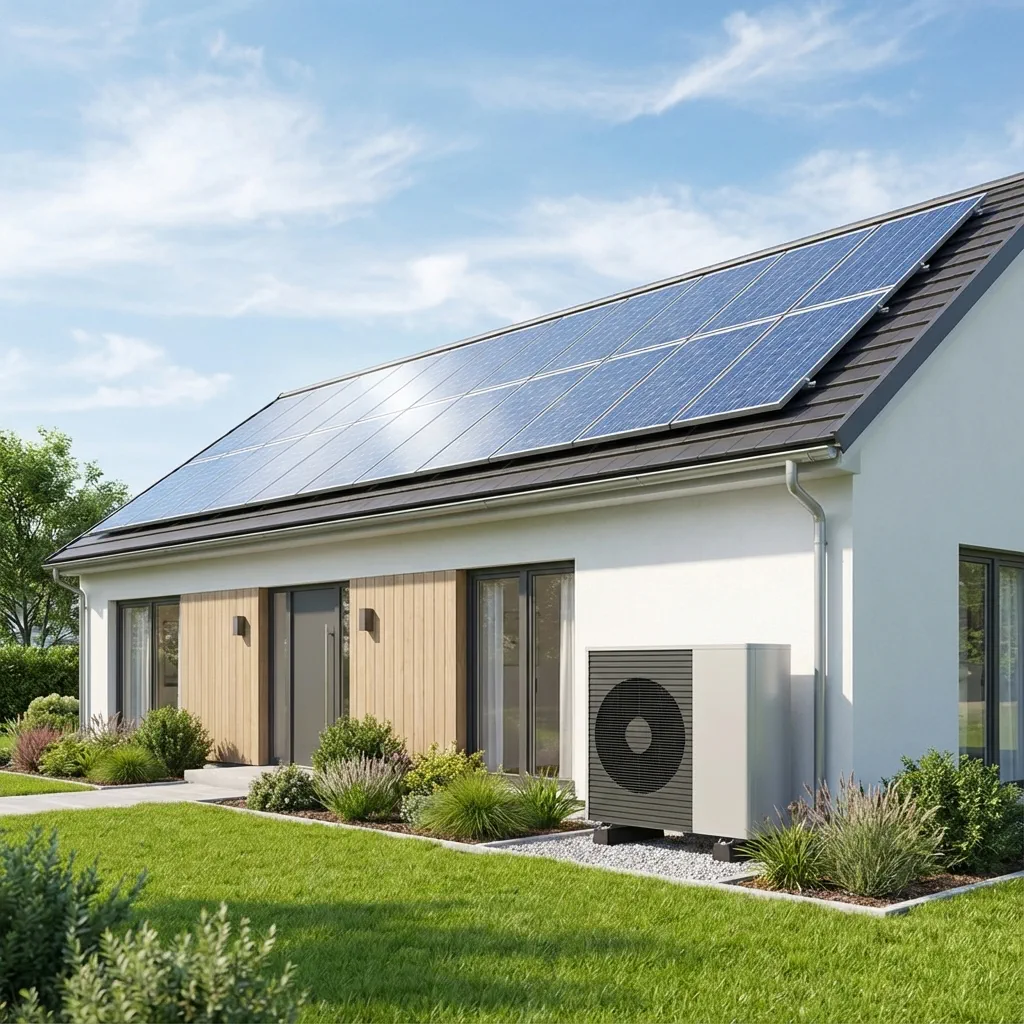
You’ll be hard-pressed to find a solar panel installer who won’t tell you it’s a “fit and forget” kind of thing. They’ll have you believe your roof will be churning out power with zero input from you for the next 20 or 30 years. But is that really the case? Or is there some fine print on what homeowners ought to be doing?
The truth is, it’s not quite as hands-off as they make it sound. Solar PV is certainly less of a chore than tending to an old boiler, but to say it needs no maintenance at all would be a stretch. If you want to get the most out of your system and stave off expensive fixes in the future, it pays to know what you’re up against. Here is a run-down of what UK property owners need to know about looking after their panels.
The case for low-maintenance
For one thing, there are no moving parts in a solar array. You don’t have the kind of mechanical wear and tear you’d see with a wind turbine or a combustion engine. The panels are essentially solid-state: silicon cells behind a layer of tempered glass, all in a weatherproof frame. It’s a straightforward design with very little room for error.
Then there is the build quality. Good modern panels are made to put up with the British elements. We’re talking hail, sleet, lashing rain and wide swings in temperature. The glass is toughened and the aluminium frames are anodised to stand up to salt air if you’re by the coast. That’s why you can back a 25-year warranty without a second thought.
But don’t let “low-maintenance” fool you into thinking you can ignore them. A bit of grime, a faulty inverter or some shading can put a dent in your output if you don’t keep an eye on things.
What you should be doing
Have a look-see
Make it a habit to do a visual once or twice a year. Stand back and see if any panels have come loose in their brackets after a gale, or if the seals around the edges are intact.
Keep an eye on the birds, too. Pigeons like to make a home in the space between the panel and the roof. Their droppings are bad for the wiring and fittings, and when they end up on the panel itself, they block the sun.
When to give them a wash
This is where you’ll hear different sides of the argument. In the UK, we have enough rain to do the job for us in most cases. If your roof has a decent pitch (15 degrees up), the water will run off and take the dust with it.
That said, if you’re down by a main road or some farmland, you might find the panels get caked in a way that rain can’t fix. And bird mess doesn’t always just wash away.
How you go about it is up to you:
- Do it yourself: If you can reach them from the ground, a soft brush and some deionised water will do. Just don’t be tempted to use a pressure washer or anything abrasive; you could mar the glass.
- Hire a pro: Some window cleaners now have the right equipment – think long poles and purified water – for about £3 to £5 a panel.
- The specialists: For a more in-depth job that might include a quick electrical check, expect to pay in the region of £100 to £200.
Whichever you choose, make sure they are insured and won’t be scratching up your investment.
Watch the numbers
The best way to maintain your system is to do nothing and let the data talk. Your inverter or app will show you how much you’re making. Compare this month to last year, or to what you were told to expect when you had the quote. If you see a 20% dip, something is amiss – be it a tree growing in, a dirty panel, or a problem with the inverter.
Dealing with the seasons
Our weather can be a mixed bag for solar.
In the autumn, you may have to clear leaves from the gutters under the panels, or even from the panels themselves if they’re set low on the roof.
And then you have winter and the prospect of heavy snow. The good news is that most of the time you don’t have to do much about snow on your panels. They are put in at an angle and have a smooth surface, so with a day or two of sun, it will be on its way. Don’t be tempted to go out and scrape it off; not only is there a risk of harm to the equipment, but working on a ladder in the ice is no one’s idea of a good time. Let nature take its course.
You’ll see the best output in the spring and summer, but that’s also when you get more of a build-up of pollen and dust. That’s where keeping an eye on things pays off. A 10% hit to efficiency in the height of the season is a lot of generation you’re leaving on the table.
Inverter Maintenance: The Critical Component
Your panels are pretty low-maintenance, but the inverter has to work for it. It’s the box that takes the DC from the panels and turns it into the AC your house runs on, and in doing so, it puts out some heat. For that reason, inverters are usually the first thing to be replaced down the line. You can count on 25 years or more from your panels, but an inverter is more like 10 to 15.
Make sure the inverter is in a spot with good air circulation and isn’t in the path of heavy rain or wild temperature swings. Wipe away any cobwebs or dust that could clog up the vents. Some installers will tell you to have it looked over by a pro every five years, but these days many of them will let you know if there’s a problem on their own.
Should you see an error code or the light turn from green to red or orange, have a look in the manual and get in touch with your installer. If you’re on the Smart Export Guarantee and getting paid for what you put back on the grid, an inverter that’s down is money you aren’t making.
When to Call a Professional
There are times when you need to leave it to the experts. For one, don’t tinker with the electrics yourself; even when they’re not on the mains, solar arrays can run at voltages that are dangerous.
If you spot any of the following, ring up an MCS certified installer:
- Any sign of scorching or discolouration on the wiring or panels
- Panels that don’t seem to be sitting right in their mounts
- An inverter that keeps throwing up faults after a reset
- Cables chewed up by the elements or vermin
- Water inside the inverter
You should have some paperwork from when the system was put in to show your installer is MCS approved. You’ll want to hold on to that; it’s a requirement for the export payments under the Smart Export Guarantee.
Warranties and What to Expect to Pay
As a rule, you’ll have two warranties on your panels: one for 10 to 12 years against defects, and a performance one for 25 years. The latter will generally ensure you still see 80 to 85 per cent of the original output at the end of that period.
Inverters have their own, usually in the 5 to 12 year range, and your installer might offer a workmanship warranty for the roof and the job they did, anywhere from 2 to 10 years.
When it comes to the cost of upkeep, you’re looking at maybe £100 to £200 a year for a clean and a once-over by a pro. If and when you have to swap out an inverter, figure on £500 to £1,500. Most people find the savings on the bill and the income from the Smart Export Guarantee make up for it.
Making the Most of Your System
You don’t need to be an engineer to look after your setup, just a little bit of common sense. Put a reminder in for a visual check now and then. Keep the monitoring app on your phone for a quick glance. Get to know a few good local handymen for when you need a wash down.
If you have a pigeon problem, you might think about putting in some bird deterrent mesh. It’s an initial outlay of a few hundred quid, but it can be cheaper in the long run than constant cleaning or dealing with the mess of a nest.
And for heaven’s sake, keep a file on any work done. It comes in handy for a warranty claim and looks good to a buyer if you ever put the house on the market.
The Bottom Line
Yes, solar needs a bit of tending to, but not as much as you might think. A routine once-over, a clean here and there, and some attention to the numbers will see you through. With the kind of robust gear and standards we have in the UK, it’s a technology you can put in and largely leave be. Do your part to maintain it, and you’ll be in a position to enjoy the savings and the export income without too much of a hassle.
Ready to save on your energy bills?
Use our free calculator to see how much you could save with solar panels, battery storage, or a heat pump.
Get Your Free Report