When worldwide conflicts break out, people naturally think about what they do to people – and politics. But wars, and trouble between countries, can also directly change things in normal life in the UK, especially the cost of energy.
What's happened recently has shown exactly how much trouble in the world energy markets can cause. Conflicts even thousands of miles away can change what you pay for gas, power and petrol in the UK. For people who own their homes, this can mean higher energy bills and more difficulty with money.
Though we can't do anything about world conflicts, homeowners can do things to protect themselves from energy costs going up. Knowing why energy prices rise when there's conflict – and what you can do – will help lessen the effect on your family's finances.
Why Global Conflicts Make Energy Bills Bigger
Energy is bought and sold around the world, so what happens in one place can quickly affect prices everywhere.
A lot of the main oil and gas producers are in parts of the world that have often had political problems. When conflict threatens these areas, the ways supplies are got to people can be broken or limited. Even the chance of this happening can make energy prices go up fast, as markets respond to not being sure what will happen.
Oil and gas, in particular, are easily affected by trouble between countries. If important sea routes for shipping are threatened, or places where oil and gas are made are harmed, world supply can become quickly limited. When supply goes down and people still want the same amount, prices are sure to rise.
For the UK – which still buys a large amount of its energy from abroad – this can immediately mean bigger energy bills for homes.
Gas prices are especially important. In the UK, gas is used a lot not only for heating houses but also for making electricity. So when gas prices go up, power prices usually do too.
In past world problems, prices for gas at the wholesale level went up a lot, which meant energy companies raised what customers had to pay. Though government help has been there at some times when energy prices have been high, homes are still in danger of prices suddenly going up again.
The Long-Term Problem of Energy Prices Changing a Lot
One of the biggest problems for UK homes is how much energy prices can change. Because the country depends so much on energy markets around the world, prices can change quickly because of what's happening in world politics, supplies being stopped, and the economy.
World conflict adds another level of not being sure what will happen. When markets are afraid supplies will be too small, prices often go up before any stopping of supplies actually happens.
This means energy bills can quickly get bigger, even if the UK isn't directly in a conflict.
For homeowners, this changing a lot shows how important it is to take steps before things happen to reduce depending on expensive energy from the grid.
Make Your Home Use Energy More Efficiently
One of the best ways to protect yourself from energy bills getting bigger is to cut down on how much energy your home uses.
Making your home use energy more efficiently can cut heating and power costs a lot, no matter how world energy markets change.
Simple changes can make a big difference. Making the insulation in attics and walls better helps keep heat inside your home, meaning you need less energy to keep temperatures comfortable.
Having two or three layers of glass in windows can also cut heat loss through windows – one of the most usual causes of energy being wasted.
Even small changes, like stopping drafts around doors and windows, can make things more efficient and lower heating bills.
The less energy your home needs, the less you'll be affected by energy prices going up.
Think About Making Your Own Energy
Another way homeowners can protect themselves from energy bills getting bigger is to make their own electricity.
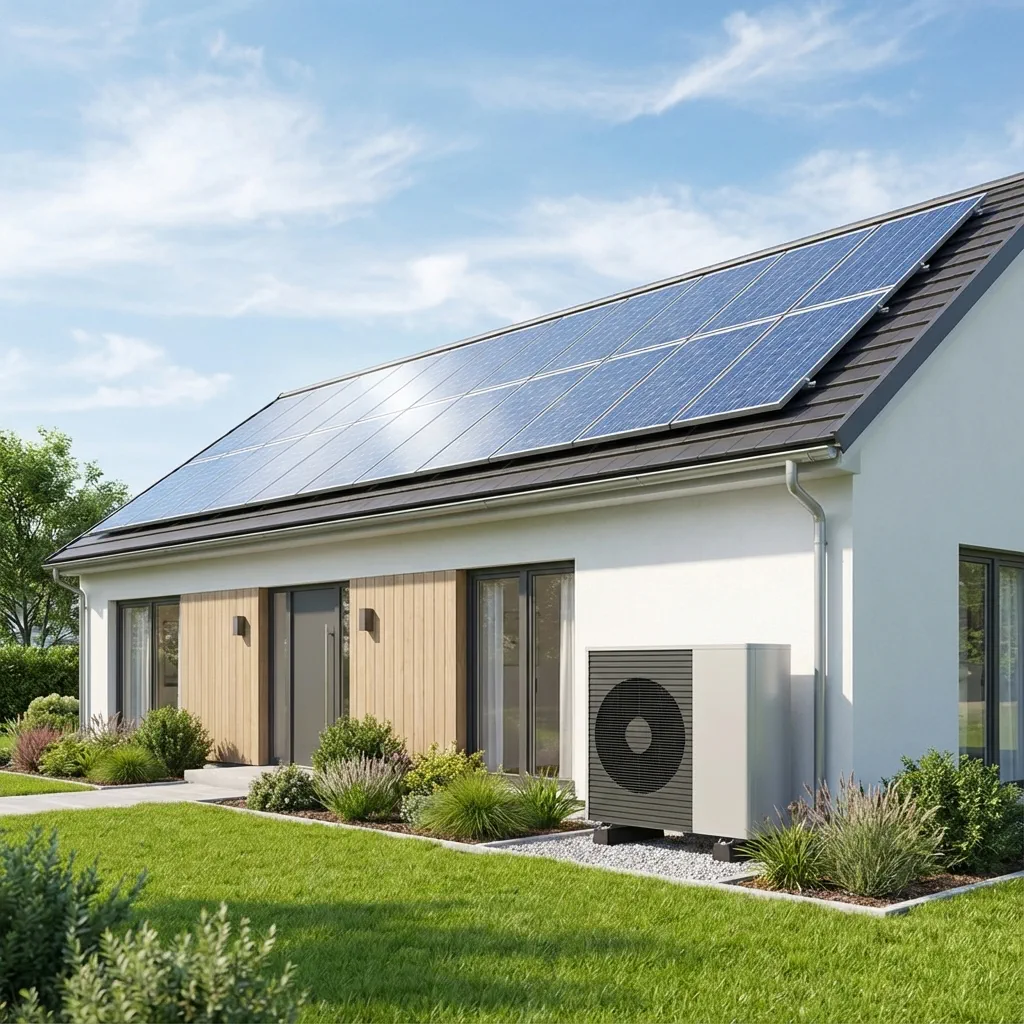
Solar panels have become one of the most popular ways for UK homes to get energy which comes from nature. They let householders create power from sunlight, so they don't need to buy quite as much from the usual electricity network.
Although solar power depends on the hours of daylight, up-to-date systems still manage to make a good deal of energy throughout the year in this country.
Once fitted, solar panels are able to supply electricity for many years with very little upkeep. This means people who own their homes are a lot less affected by how electricity prices go up and down.
Also, government plans – like the Smart Export Guarantee – enable families to sell any spare electricity back to the network, giving them more money in their pockets.
Use Battery Storage to Cut Down on Grid Reliance
More and more people are having home battery systems with their solar panels.
A battery means householders can save extra electricity made during the day, and use it later on, in the evening, when most energy is needed.
This cuts down on depending on the national electricity grid, and helps get the best possible return from solar power.
Battery storage can also let families benefit from cheaper electricity at off-peak times, by storing it for use later.
With energy prices changing, having the option to store and control electricity in the home is a real help.
Change to Low-Carbon Heating Systems
Heating makes up a large part of how energy is used in homes in the UK, especially in winter.
Normal gas boilers use fuels from the earth, so families are immediately at the mercy of how world prices change.
Low-carbon heating technologies – such as air source heat pumps – give another option.
Heat pumps work by getting heat from the air outside and putting it into the home. As they run on electricity, rather than burning gas, they can be better at the job and less at risk from gas price changes.
When used with renewable electricity from solar panels, heat pumps can lower home energy bills a great deal.
Government help has also made heat pumps easier for people who own their homes to get, when they want to modernise their heating.
Watch and Control Your Energy Use
Another important thing in protecting yourself from higher energy costs is knowing how your home uses energy.
Smart meters and home energy-watching systems allow householders to follow their electricity and gas use as it happens.
By finding out when and where energy is being used most, families can make good decisions about cutting back on use.
For instance, using equipment during cheaper off-peak times, or reducing energy used by things on standby, can bring down total electricity costs.
Simply being aware of energy can often lead to clear savings.
The Value of Energy Self-Sufficiency
The recent instability in energy markets has shown how important energy self-sufficiency is – for countries and individual families.
By putting money into renewable energy, improving how well energy is used, and reducing reliance on the grid, homeowners can have more control over their energy costs.
Although these changes often involve some money to start with, they can give long-term financial strength and protection from rising prices.
Getting Ready for an Unsure Energy Future
Energy markets are affected by many things apart from war between nations. Weather, economic growth, government rules, and new technologies can all change energy prices.
However, world conflicts have often shown how quickly energy prices can go up when supply lines are in danger.
The main thing for homeowners to learn is that energy price changes are likely to be a long-term problem.
Doing things now to reduce depending on dear fuels from the earth can help protect families from future price shocks.
Final Thoughts
Higher gas and electricity prices are often a direct result of problems with the world's energy supply, and the uncertainty that comes with political instability.
Although homeowners can't control world events, they can do things to lessen how much rising energy costs affect them.
Improving how well energy is used, making renewable electricity, using battery storage, and modernising heating systems are all sensible ways to protect your home from energy price shocks.
Ready to save on your energy bills?
Use our free calculator to see how much you could save with solar panels, battery storage, or a heat pump.
Get Your Free Report