Across the UK, the ever-increasing price of energy is really squeezing people’s household finances, and lots of homeowners are actively looking for ways to lower their monthly bills and make their homes more comfortable. Because of this renewed interest in making homes use less energy, a thorough “warm home plan” is now a central idea in discussions about owning a home that’s both sustainable and affordable.
A warm home plan is a joined-up way of improving how much energy your property uses. Instead of fixing one problem at a time, it looks at the whole building as something where everything is connected. By having this wider perspective, homeowners can be sure that improvements will work together to save the most energy and make things much more pleasant all year round.
The UK government is dedicated to improving energy efficiency as part of its wider plans for being sustainable. Recent changes in government policy have emphasised the importance of reducing the amount of carbon our homes release and helping people manage their energy bills. A warm home plan fits perfectly with these aims, giving a clear route for homes to become more energy efficient.
The initiative acknowledges that many British homes, especially those from before 1990, tend to be poorly insulated, have old heating systems and draughty windows. Because of these problems, heating systems have to work harder, use more energy and therefore push up bills. A complete plan tackles these weaknesses in a planned way, making sure you actually see a benefit from spending money on energy improvements.
When putting together a warm home plan, there are several key areas that usually need to be looked at. Exactly what you do will depend on how your property is now, what it’s built of and what systems you have. But the best plans will include things from these categories.
Good insulation is the base of any successful warm home plan. A lot of energy is wasted because of heat escaping through roofs, walls and floors in homes that aren't performing well. Loft insulation is often the cheapest and quickest place to start, as warm air goes up and out through the roof. Without good loft insulation, you can lose as much as a quarter of your heat through the roof!
If your property was built with solid walls (common in many older, character homes in the UK) you’ll need solid wall insulation. Although it’s more expensive than cavity wall insulation, putting insulation on the outside or inside of solid walls can hugely reduce heat loss and improve how warm an older house is.
Insulating the floor, particularly if you have suspended wooden floors (found in many Victorian and Edwardian houses), stops cold air getting into the rooms. Along with stopping draughts around doors, windows and floorboards, this makes the inside of your home much more comfortable.
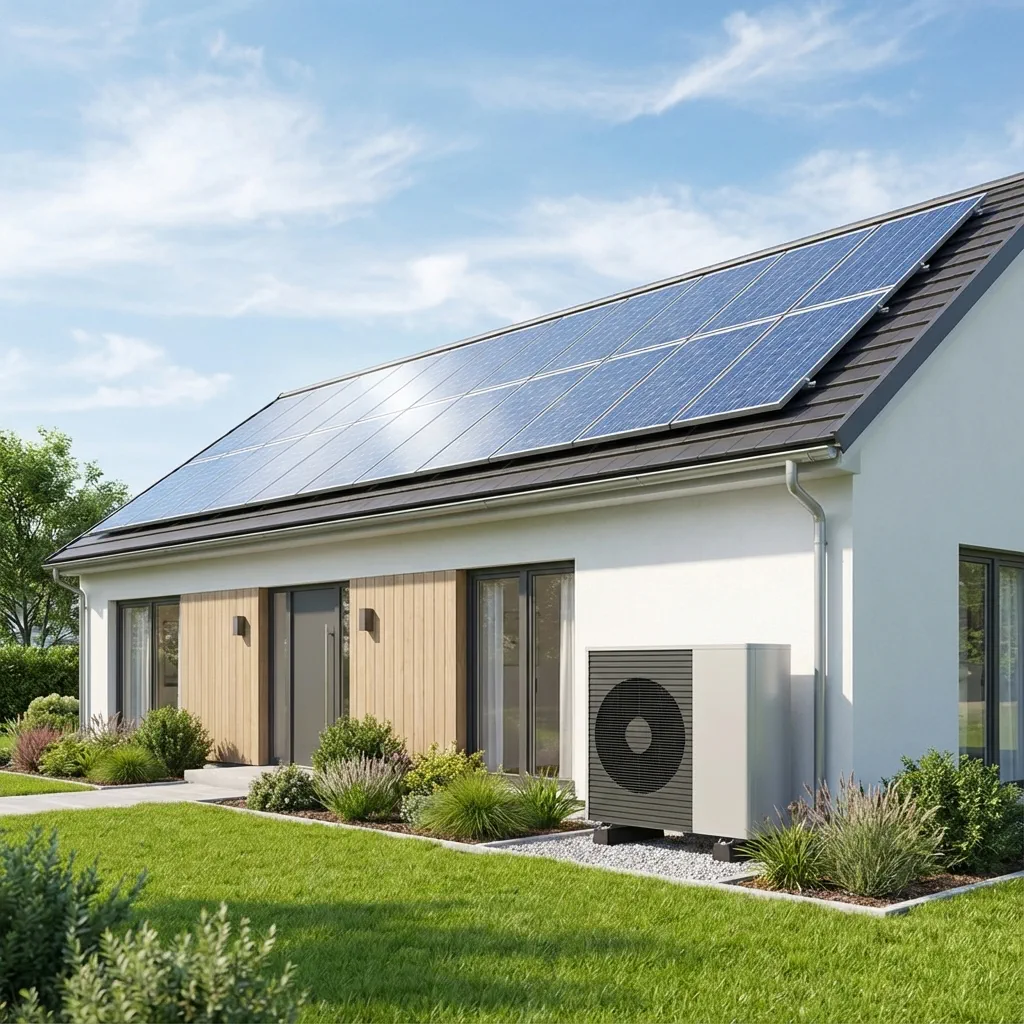
Replacing old gas boilers with efficient heating is a big part of modern warm home plans. Heat pumps are now a leading option, taking heat from the air or the ground to heat your home. Air source heat pumps work well even in cold British winters and give three or four times as much heat as the electricity they use.
The Boiler Upgrade Scheme currently offers grants to homeowners in England and Wales to help with the cost of getting heat pumps. This supports moving away from heating with fossil fuels and makes lower-carbon options easier to manage. Importantly, heat pumps work best in well-insulated homes, which shows how important it is to do your insulation before or at the same time as upgrading your heating.
Creating your own electricity with solar photovoltaic panels means you’ll depend on the power from the grid less. A normal solar system for a house can provide a large amount of the electricity a household uses, especially in the daytime. Any extra electricity can be sent back to the grid with the Smart Export Guarantee, earning you money rather than being wasted.
Solar thermal systems are another possibility, with collectors on the roof heating water directly. This reduces how much your boiler or heat pump has to heat water, especially in the summer when you get the most sun.
When including solar in your warm home plan, think about adding battery storage for the future. As batteries become cheaper, storing the extra solar energy for use in the evening will become a more and more sensible financial decision.
Windows are often the weakest point in a building's 'skin' when it comes to warmth. Single-glazed windows, still in lots of older homes, don't resist heat moving through them at all. Modern double or triple glazing makes a barrier to heat loss and gets rid of cold draughts around the windows.
How the windows are fitted is just as important as the glazing itself. Badly fitted windows let air leak around the frames, undoing a lot of the benefit of good glass. A warm home plan should include having windows fitted by qualified, registered tradespeople to ensure they are airtight and energy efficient.
If replacing windows isn't or in terms of planning permission, secondary glazing is a good alternative. Adding a second layer of glass inside your current windows boosts how well they keep the heat in, without changing how they look from the outside.
Regarding money and help with costs, a thorough plan to make your home warmer will need some spending at the start, but luckily there are ways to ease the financial strain. The Boiler Upgrade Scheme gives generous grants for getting heat pumps put in, and the Smart Export Guarantee makes sure people with solar panels get a fair price for any electricity they send back to the grid. Funding is also available from your local council and energy companies (they have to provide it!), and these schemes are especially for homes that are really inefficient on their Energy Performance Certificate (EPC) and for people on certain benefits. It's worth looking into what's on offer where you live, because how much you can get and what you need to qualify differs from place to place. And, things like basic loft insulation and blocking draughts can have VAT (tax) taken off, reducing the cost by about a fifth compared to standard building work.
Energy Performance Certificates give a standard method for judging and comparing how energy efficient homes are. They go from A (best) to G (worst) and most UK homes are currently around a D. A “warm home plan” is all about making improvements to raise that rating.
And, increasingly, how good an EPC rating is affects the property market; people buying or renting now think a lot about how much it will cost to run the place. Houses with a C rating or better usually sell for more, and get rented out quicker, than similar houses with a lower rating. So, investing in a warm home plan could both protect and increase the value of your property, as well as saving you money on your bills!
Mortgage companies are even starting to consider EPC ratings when they decide on loan terms. Some “green mortgages” have lower interest rates for efficient homes, and others let you borrow more if you’t making improvements. As the UK moves towards minimum energy efficiency standards for rented homes (and possibly owner-occupied ones too!), getting a better EPC rating now will future-proof your property against changes in the law.
To begin your warm home plan, you need to know how your house is doing now. Looking at your most recent EPC gives you a starting point and tells you what’s recommended. But EPCs don't stay up-to-date, so a new assessment might give different advice based on more recent methods or if you’ve changed the house.
More detailed professional surveys give you even more information than a standard EPC. Thermal imaging shows where you’re losing heat unexpectedly, and airtightness testing finds draughts that you wouldn't normally notice. These tools help you work out which improvements will give you the biggest bang for your buck.
When you’re planning the work, think about the order you do things. You should usually put in insulation before you upgrade your heating system. Because the insulation will mean you need less heat, you might be able to get a smaller, cheaper heating system. And, it’s a good idea to block draughts before you install a mechanical ventilation system, to make sure the air flows properly and you don't over-ventilate.
Get quotes from several installers who are on an approved list. This gets you the best prices, and lets you compare what different people suggest. Look for installers registered with schemes like TrustMark or MCS certification (for renewable energy).
Nearly all UK homes can benefit from some aspects of a warm home plan, but the specifics will be completely different for each property. Newer houses that already have double glazing and good insulation might only need a heating system upgrade or solar panels. Older houses often need a more thorough overhaul, but have the potential for the biggest improvements.
Listed buildings and homes in conservation areas have extra rules that you’ll need to handle carefully. But you can still make improvements that don't ruin the look of the building, by using the correct materials and methods to keep the character while improving efficiency.
Rental properties can also benefit from a warm home plan, although landlords need to think about how much the improvements will cost against how much rent they get. It’s now against the rules to rent out a property with an EPC rating of less than E, and that might rise to C in the future. Landlords who make substantial improvements now won't have to worry about meeting these requirements later and will attract good tenants who want lower energy bills.
In short, a properly designed warm home plan is a sensible way for UK homeowners to cut their energy bills and be more comfortable. By looking at insulation, heating, windows and generating your own energy all together, homes can become much more efficient and keep being that way for many years.
With the financial help currently available - like the Boiler Upgrade Scheme and the Smart Export Guarantee - now is a good time to make improvements. As energy prices fluctuate and worries about the environment get more and more pressing, making your home efficient is more important than ever.
The first step to your own warm home plan is to assess and plan. Understanding what’s wrong with your property now and deciding which improvements to make first means that every pound you spend will work the hardest. And the end result? A warmer, more comfortable home with cheaper bills, which is a good investment for your finances and for how you live each day.
Ready to save on your energy bills?
Use our free calculator to see how much you could save with solar panels, battery storage, or a heat pump.
Get Your Free Report