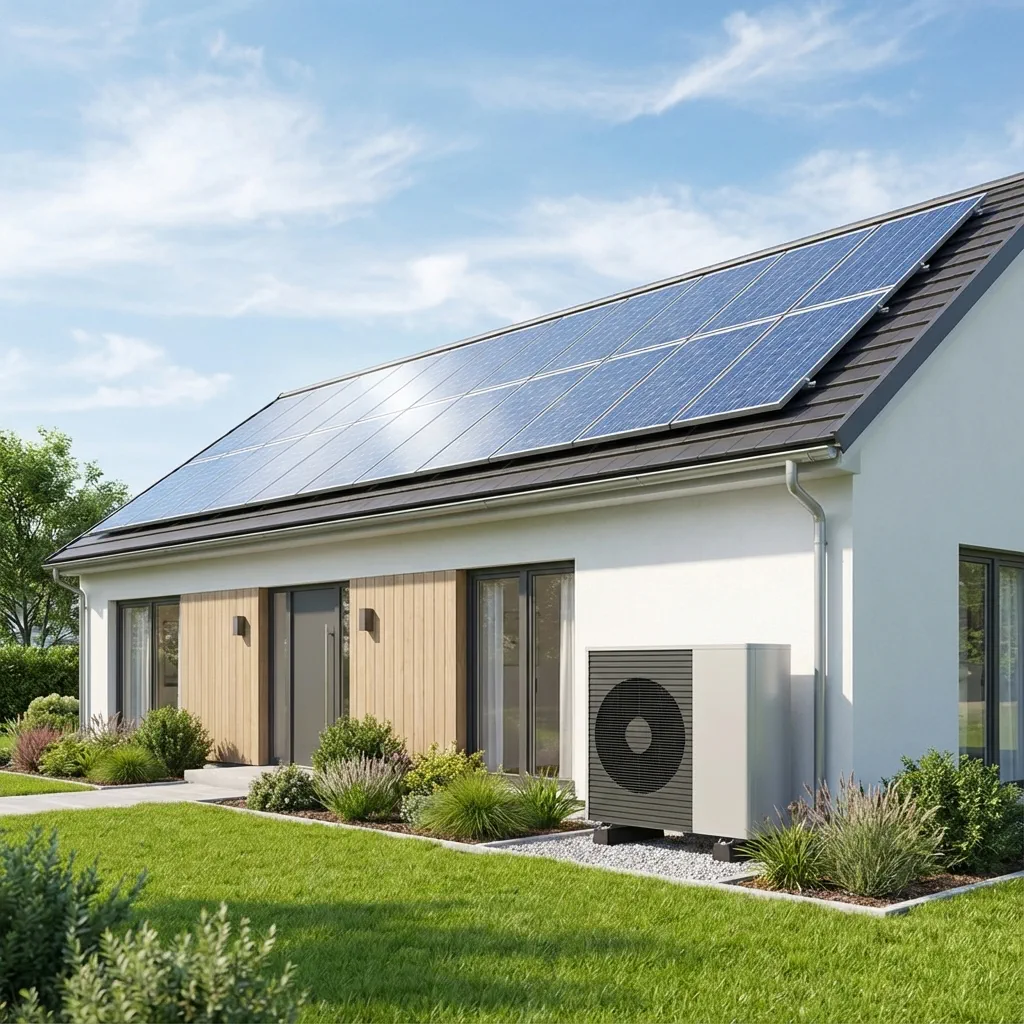
Switching to solar energy can cut your energy bills and reduce your carbon footprint – but not every roof is built the same. If you're wondering whether your home is a good fit for solar panels, this guide walks you through everything you need to know before taking the plunge.
Why Roof Suitability Matters for Solar Panels
Installing solar panels is a long-term investment. Before you commit, it's important to understand whether your roof can physically and practically support a solar system. This means looking at orientation, angle, materials, structural soundness, and how much shade your roof gets across the year. Planning rules may also come into play, especially if you live in a listed building or conservation area.
Let's break it down.
1. Getting the Angle Right: Roof Orientation and Tilt
In the UK, the best roofs for solar panels face south. A south-facing roof gets the most consistent exposure to sunlight throughout the day. Even if your roof faces east or west, solar can still be worth it – panels in these directions can generate around 80–90% of what a south-facing system would.
The tilt, or angle, of your roof also matters. Ideally, a pitch between 30 and 40 degrees is best for solar in the UK. Many pitched roofs naturally fall into this range. If you have a flat roof, installers can use angled mounting systems to improve sun exposure, though these may need special attention for wind resistance.
Quick Tip: An MCS-certified installer can assess your roof and recommend the most efficient setup for your home.
2. Is Your Roof Strong Enough?
Solar panels aren't light. They add around 20kg per square metre to your roof – and that's before you factor in wind and snow. So, your roof must be in good condition and strong enough to take the weight.
Before installation, a structural survey is essential. The installer will check the age and health of the roof and calculate the load it can handle. If it's not up to scratch, you might need reinforcements, like extra roof trusses or battens.
Common Roofing Materials in the UK:
- Concrete tiles: Strong and easy to work with.
- Slate: Can be fragile; needs careful handling.
- Metal: Lightweight and ideal for mounting.
- Clay tiles or wooden shingles: More delicate; may need custom fittings or alternative solutions.
If your home is older or listed, options like in-roof solar tiles (which replace parts of your roof) may be a better fit, both structurally and visually.
3. Shade: The Silent Solar Killer
Solar panels need sunlight – it's that simple. Shade from trees, chimneys, other buildings, or even roof features like dormer windows can reduce output significantly.
A good installer will assess your property with tools that simulate the sun's movement throughout the year. They'll identify both permanent and seasonal sources of shade.
How to Improve Efficiency:
- Trim back trees that cast regular shade.
- Use optimisers or microinverters so one shaded panel doesn't affect the whole system.
- Consider placing panels on different roof faces to maximise exposure throughout the day.
Did You Know? UK solar panels typically generate 850–1,050 kWh per kWp installed each year. Reducing shade helps you stay at the higher end of this range.
4. Planning Permissions and Building Regulations
In most cases, solar panels count as "permitted development" in the UK. That means you won't need full planning permission. However, there are exceptions:
- Listed buildings: You'll usually need listed building consent.
- Conservation areas: Restrictions may apply, especially for front-facing roofs.
- Flat roofs: May require permission due to visual impact and structural changes.
Key Building Regulation Points:
- Roof must support the weight safely.
- Electrical work must meet Part P regulations.
- Panels should be safely positioned to avoid fire or obstruction hazards.
Always use an MCS-certified installer – this is essential if you want access to financial incentives like the ECO4 grant.
5. Cost, Grants and Long-Term Considerations
Solar panel prices have dropped significantly in recent years. For a typical 3kW system, you might expect to pay around £5,000–£6,000. However, costs vary depending on your roof type and access needs.
Financial Support:
- ECO4 grants: Available for eligible UK households.
- VAT relief: Solar panels are now VAT-free for most domestic installs.
Speak to your installer about projected savings, return on investment, and how many years it will take for the system to pay for itself (typically 6–10 years depending on usage).
Final Checks: What You Can Do Now
Before speaking to an installer, run through this basic checklist:
- Is your roof south, east or west-facing?
- Is the pitch between 30 and 40 degrees (or flat)?
- Is the roof in good condition and under 25 years old?
- Are there large trees, chimneys or neighbouring buildings nearby?
- Is your home listed or in a conservation area?
You can also use free online tools like the Green Home Report to get an instant read on your home's solar suitability using AI and satellite imagery.
FAQs: Solar Panel Roof Suitability in the UK
Do I need planning permission for solar panels?
Most of the time, no. But check if you live in a listed building, conservation area, or have a flat roof.
Can I install solar panels on a slate roof?
Yes, but it requires more care. Some installers may charge extra due to the fragility of slate tiles.
What if my roof gets some shade?
Panels still work in partial shade, but using microinverters or optimisers will help reduce efficiency losses.
How long do solar panels last?
Most systems last 25 years or more, with warranties typically covering 20–25 years.
How can I check if my roof is suitable without a survey?
Use tools like the Green Home Report for a free AI-driven estimate, or book a site visit with a certified installer.
Ready to save on your energy bills?
Use our free calculator to see how much you could save with solar panels, battery storage, or a heat pump.
Get Your Free Report