When war happens – anywhere – people quite rightly think about the immediate effects on people and world affairs. However, conflicts that are thousands of miles from the UK can actually have a fairly direct effect on what people here pay for their energy.
What's been happening recently in the Middle East shows just how linked global energy markets are. Even if the UK isn't in a war, problems with oil and gas getting to us can quickly affect what we pay for power, heating, and petrol.
So, why does war make energy more expensive – and what can people who own their homes do to shield themselves from price rises in the future?
How Energy Markets Work Globally
The UK does get some energy from its own resources, like North Sea gas and renewable energy. But the country nevertheless depends a great deal on world markets for oil and gas.
Energy is bought and sold internationally, and in competition with others; this means prices depend on what is available – and what people want. When war threatens areas that produce a lot of energy, prices can go up almost at once.
For instance, trouble in the Middle East has, in the past, caused oil and gas prices to jump, because the region makes a large part of the world's energy and energy travels through it.
New research has shown that world conflicts can push up the price that gas companies pay for gas – the 'wholesale' price – very rapidly, sometimes doubling in days if supply routes are at risk or are stopped.
When wholesale prices go up, companies in the UK eventually add that to what we pay, through higher bills for electricity and heating.
Why the Middle East is Important for Energy Prices
The Strait of Hormuz is one of the main reasons why problems in the Middle East affect energy prices around the world.
This narrow sea route joins the Persian Gulf to the rest of the world, and is one of the most important places on earth for energy to travel through. About one-fifth of the world's oil goes through it.
If war stops ships using this route, energy supplies can be delayed or go down. Even the chance of this happening can make prices rise as the markets respond to not knowing what will happen.
Recent reports say that trouble in the area has already caused big rises in the wholesale price of gas and pushed oil prices up, and this could in the end mean higher costs for people in the UK.
Why Gas Prices Matter So Much in the UK
A lot of people think that electricity prices are nothing to do with gas, but in the UK, gas is very important in deciding what electricity costs.
Power stations that burn gas often decide the highest price for electricity. In other words, when gas prices go up, electricity prices usually go up too.
Gas is also the most common fuel used to heat millions of homes in Britain. When gas prices go up, heating bills go up almost immediately.
This is why events in the world that affect gas supplies can have such a big effect on energy bills in the UK.
In past world crises, the price gas companies pay for gas went up very sharply, leading to a big rise in what people paid for their energy, and making governments bring in help for people to pay their bills.
The Domino Effect: From War to Your Energy Bill
World conflicts affect energy costs through a number of things that are connected.
1. Supply Problems
When war threatens areas which produce energy, making or getting the energy to us can be stopped. Even short stops can reduce what is available worldwide, making prices higher.
2. What the Market Thinks
Energy markets respond quickly to not knowing what will happen. If people who buy and sell energy believe supply might be affected – even if it hasn't happened yet – prices can quickly rise as buyers try to get supplies.
3. Costs of Transport and Insurance
War can also increase the cost of getting energy to us. Routes for shipping energy might not be safe, insurance on tankers goes up, and ships could well have to travel further to steer clear of trouble. This puts up the price of energy before it gets to Europe at all.
4. Inflation Throughout the Economy
Energy costs don't only affect bills for heat and power – they affect a lot more. Because of more expensive fuel, it costs more to move goods, make things, and grow food. This means prices go up across the whole economy, and that's inflation.
Why Fixed Energy Contracts Sometimes Vanish
When energy markets globally get unsteady, suppliers usually stop offering fixed-price deals. Suppliers can't tell what wholesale energy is going to cost in the future, and that is why.
Recently, some suppliers have already taken back fixed rates because wholesale costs shot up after international problems started.
For people, this can mean there are fewer chances to agree on steady energy prices.
The Long-Term Answer: Energy Independence
A major thing we've learned from the recent energy problems around the world is that energy independence is vital. Nations – and homes – which depend a lot on getting fossil fuels from other places are more at risk from prices changing all the time on the world stage.
That's one of the main reasons why renewable energy is playing a bigger and bigger part in the UK's energy plans for the future.
Things like:
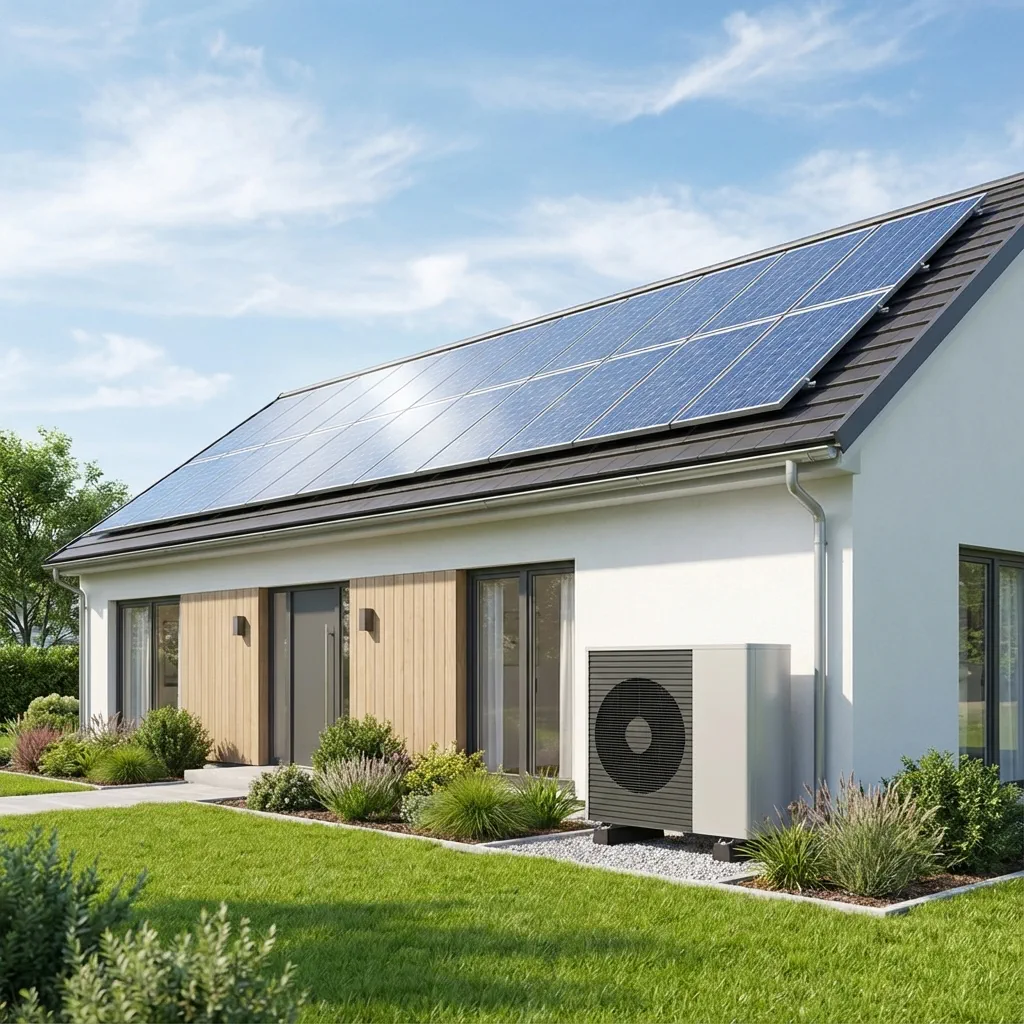
- Solar panels
- Battery storage
- Heat pumps
- Smart energy systems
let householders make and control their own energy instead of depending completely on the national grid.
How Renewable Energy Shields Householders
Renewable energy does not simply lower carbon output – it also gives protection from unstable energy markets worldwide.
Lower Electricity Bills
Solar panels let householders make electricity straight from the sun. This cuts the amount of energy they need to buy from the grid.
Defence Against Price Problems
Once put in, solar energy costs are mostly set. That means householders are much less hit when wholesale electricity prices jump.
Energy Keeping with Batteries
Home battery systems allow families to save up extra solar energy during the day and use it in the evening. This cuts down on how much they need grid electricity even more.
Savings in the Long Run
Although putting it in needs money at the start, renewable energy systems can lower household energy bills a lot over the years. Many householders get good savings over the time the system lasts.
What Energy Prices May Be Like in the Future
It is really hard to say what energy prices will be, as world markets are affected by many things, including:
- Problems between nations
- How the world economy is doing
- Problems with energy being supplied
- What the weather is like
- What governments decide to do
But one trend is getting more and more clear. Countries all over the world are putting a lot of money into renewable energy so they depend less on fossil fuels and have more energy security.
In the UK, what the government does and what industry invests are speeding up the move to cleaner energy systems which are less likely to be affected by world problems.
What Householders Can Do Now
While world conflicts are beyond our power, householders can do things to lower how much they are exposed to energy price changes. Some of the most useful things to do are:
- Making home insulation better
- Putting in solar panels
- Adding battery storage
- Changing to low-carbon heating, such as heat pumps
- Watching energy use with clever technology
These improvements don't just lower energy bills, but also make a property more efficient and valuable overall.
Final Ideas
World conflicts remind us how linked the world's energy systems are. Even wars thousands of miles away can affect the cost of heating our homes or charging our cars.
While short-term energy price increases may be unavoidable, the long-term answer is to depend less on getting fossil fuels from other places and to increase energy independence.
For many UK householders, renewable energy technologies like solar panels and battery storage are becoming a more and more good way to protect themselves from energy costs going up.
Ready to save on your energy bills?
Use our free calculator to see how much you could save with solar panels, battery storage, or a heat pump.
Get Your Free Report