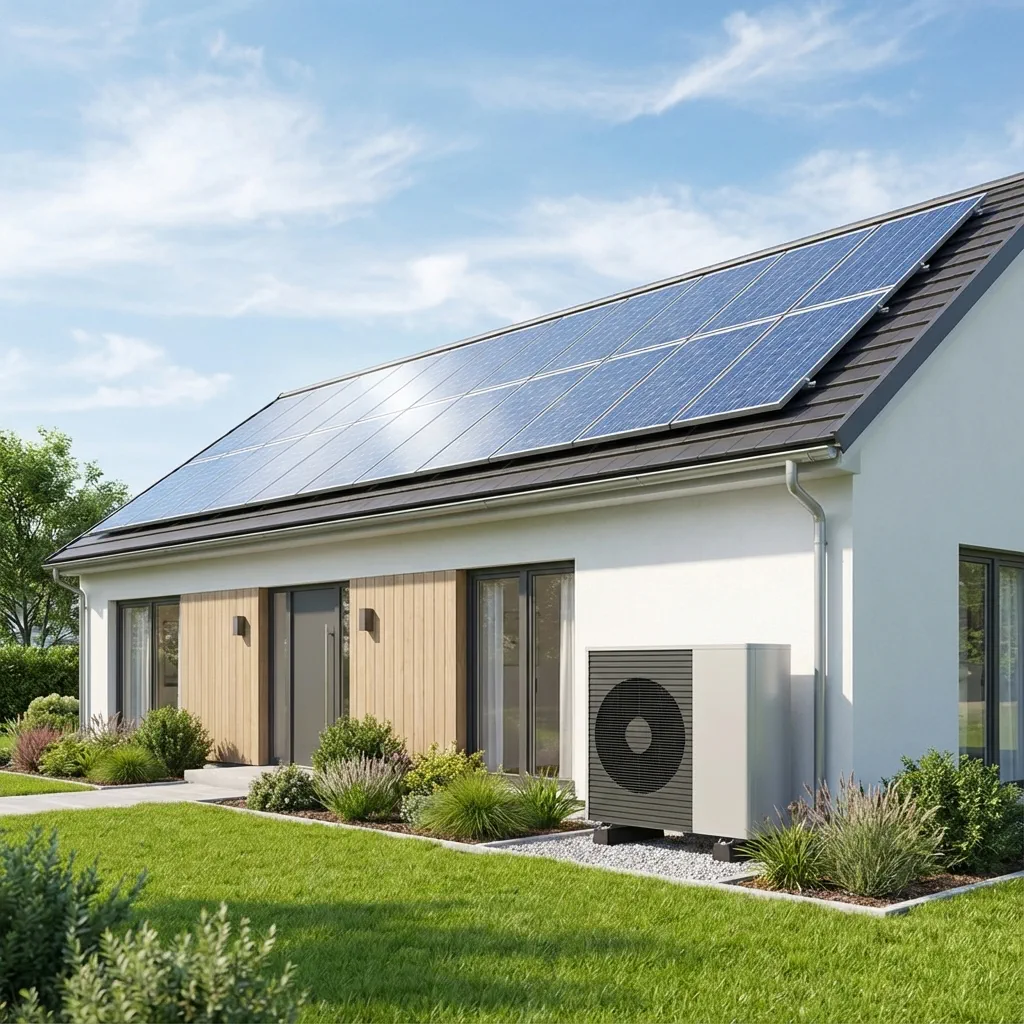
Getting solar panels for your home is a really big step towards using far less energy from the usual grid, and because electricity prices are all over the place, plus you can get paid for any extra energy you create with the Smart Export Guarantee (SEG), lots more people in the UK are thinking about photovoltaic solar systems. But how good your panels are, is totally down to who fits them.
Don't just pick the cheapest installer! A badly put together system can cause leaks in your roof, panels that don't work as well as they should, and could even cancel out your guarantee. On the other hand, a professional job will give you reliable power for decades, and properly lower your bills. To pick a solar installer well, you need to ask the right questions and check they have the right qualifications.
This guide has ten important questions to ask any company you’re thinking of using for your solar installation – to help you decide with confidence, protect your money, and make sure the system actually does what you want it to.
Are You MCS Certified?
The Microgeneration Certification Scheme (MCS) is the UK’s way of making sure renewable energy installations are good quality. If you want to benefit from the Smart Export Guarantee, your installer must be MCS certified. Without it, the energy company won't pay you for any spare electricity you send back to the grid.
Get the company’s MCS certificate number and check it on the MCS website. Being certified shows the installer knows how to install solar panels properly and follows industry standards. It also means the installation will meet building rules and the manufacturer's specifications, keeping your guarantee valid.
What Experience Do You Have With Installations Like Mine?
Solar installs aren't all the same. A Victorian terrace with a slate roof will be different to a newer, separate house with concrete tiles. Ask potential installers about their experience with houses like yours, in particular the roof material, which direction it faces, and if anything shades it.
Installers with lots of experience will talk about similar jobs they’ve done in your area and how they solved any problems. They should understand the structure of your roof, and whether it needs to be made stronger to hold the solar panels. Be careful of companies who don't look at your house’s particular features and just offer a single solution for everyone.
Can You Provide References from Previous Customers?
Good installers will happily give you the contact details of past customers, or point you to websites with checked reviews. Talking to homeowners who’ve used the company gives you a great idea of how good their work is, how dependable they are and how they deal with customers.
When you speak to references, ask about the installation process itself: did the team arrive when they said they would? Was the site tidy afterwards? Have there been any problems since it was fitted, and how did they fix them? And did the system actually generate the amount of power they’d promised? What people actually say about their experience is often more telling than shiny brochures or smooth sales pitches.
What Is Included in Your Quote?
Solar quotes can be very different, so it’s hard to compare them. Ask for a detailed breakdown of what the price includes. The basics should be the panels, the inverter, how they’re attached to the roof, the scaffolding, the people doing the work, and being connected to your electricity.
And importantly, what could add to the cost? Some companies give a basic price and then charge extra for getting onto a complicated roof, doing electrical work, or a system to keep an eye on how much energy is being made. Make sure the quote says if scaffolding is included - that on its own can cost hundreds of pounds. A good installer will explain everything, and point out anything that might change the price, before they begin.
Which Panels and Inverter Do You Recommend, and Why?
How well your solar system works depends a lot on how good the parts are. Your installer should suggest particular brands of panels and inverters based on how much you have to spend, how much roof space, and how much energy you want to make, not just fit whatever they have available.
Ask about how efficiently the panels turn sunlight into electricity, how much their performance drops over time, and how long they’t guaranteed to last. Most good panels have a 25-year performance guarantee and a 10-12 year guarantee on the product itself. Also ask about the inverter - it changes the solar electricity so you can use it in your home. Standard string inverters are generally cheaper but not as good as optimisers or micro-inverters, particularly if part of your roof is shaded. Your installer should explain these options clearly, without using too much technical language. Before anyone gives you a price for a solar system, a good installer will really look at your roof. They’tll need to judge how strong it is, which direction it faces, how steep it is, and if trees or the buildings around you cast any shadows. And they should check your electrical box to be sure it can handle the power from the solar panels.
Make sure this inspection includes actual calculations about the roof’s strength. Solar panels are heavy, and older homes might need some reinforcing. Be very cautious of firms that only use pictures from satellites to give you a price, because while online tools can give a rough idea, they can't spot things like easily broken tiles, not enough insulation in the loft, or complicated wiring.
Installing solar involves a lot of paperwork that many homeowners find confusing, so your installer should deal with telling the Distribution Network Operator (the company that manages the electricity network in your area). They should also help you sign up for the Smart Export Guarantee, which makes sure you get paid for any extra electricity you send back to the grid.
If your house is listed as being of special architectural or historical interest, or is in a conservation area, you might need permission to go ahead with the installation, or listed building consent. Most standard house installations don't need this, but your installer should check for you and manage the application process if it is needed. And be certain, right from the start, whether these admin services are part of the price or are an extra cost.
How long will it take? Knowing this will help you to prepare and be realistic. Most installations for homes are finished in one to three days, as long as the roof is okay. But if a particular type of panel is hard to get hold of, or if the installers are very busy at a certain time of year, it could take longer.
Find out when they can actually do the work and how far ahead you need to book. And ask what happens if bad weather stops them. A professional installer will give you a clear plan, including when the scaffolding goes up and comes down, and will let you know about any changes.
Alongside the manufacturers’ guarantees for the panels and the inverter, the installer should also give you a warranty on the work they do and the quality of the installation. This is usually for one to ten years, and it will protect you if, for instance, the roof starts to leak or the panels fall off.
Specifically ask about what happens after the installation. Will they come back in six months to look at it? Do they have a maintenance plan or an annual check? Some installers even keep an eye on how the system is doing from a distance and will tell you if it’s not working as well as it should be - so you can find and fix faults quickly before they really affect how much electricity you’re making.
Problems can happen, even with really good installers. Knowing how the company deals with complaints will give you peace of mind. Ask how they handle claims for the warranty - do they deal with the manufacturer directly, or are you responsible for that?
Also, make sure the company has the right insurance - public liability and professional indemnity. And if the installer goes out of business, your installation warranty won't be worth anything. So check if they have an insurance-backed guarantee - this means your warranty will still be valid even if the installer is no longer trading.
When you're picking a solar installer, think about a lot more than just the cheapest price. Get at least three detailed quotes from companies that are MCS certified (that’s a standard to show they’re competent), and compare not only the price, but also the quality of the equipment, the warranties, and how thoroughly they’ve assessed your property.
During the first meetings, trust your feelings. Good installers will spend time understanding how much energy you use, properly examine your house, and explain your options without trying to rush you. They understand solar panels are a big investment for the long term and will respect that you need to be sure you're making the right decision.
By asking these ten questions, you show you’re a sensible customer and get the information you need to compare companies. A well-fitted solar system, by a skilled and reliable team, can lower your bills, reduce your impact on the environment and increase the value of your home for many years to come. Taking your time to choose the best installer will make sure you get all of those advantages without the worry of having to fix problems or having a system that doesn't work as well as it should.
And don't forget, the lowest price isn't usually the best deal. Concentrate on finding an installer who really knows their stuff, offers good warranties, and is open with you. You’ll be pleased you did, when you’re enjoying lower energy bills from a reliable system in the future.
Ready to save on your energy bills?
Use our free calculator to see how much you could save with solar panels, battery storage, or a heat pump.
Get Your Free Report